
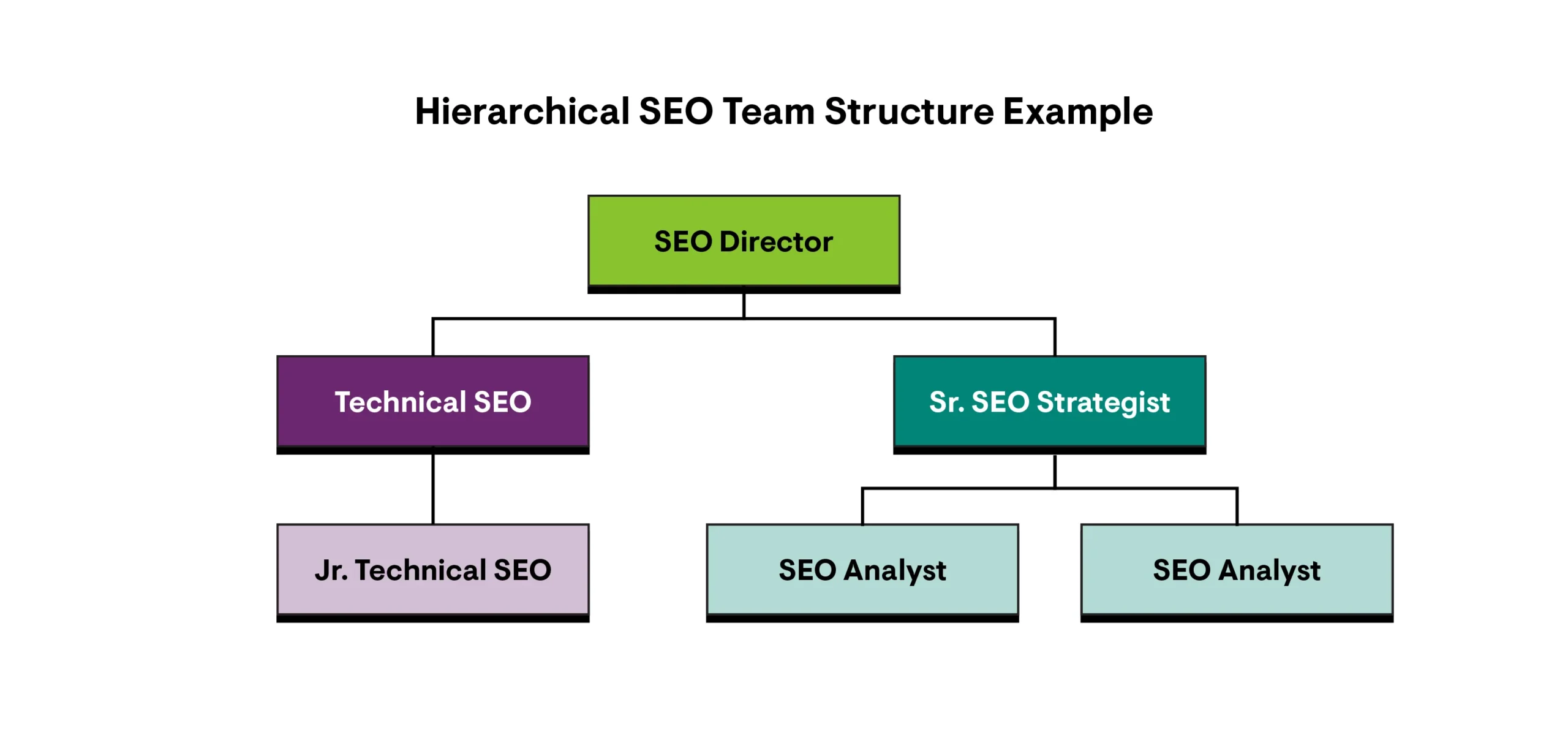
What Is an SEO Strategist?
An SEO strategist is a digital marketing professional who plans, directs, and optimises a website’s search visibility using data, content strategy, technical improvements, and authority building to achieve sustainable organic growth.
Unlike tactical SEO specialists, strategists focus on the big picture aligning search performance with business goals.
Who Should Consider Hiring an SEO Strategist?
Businesses that rely on online visibility for leads, sales, or brand growth benefit most from an SEO strategist, especially in competitive industries or scaling stages.
This includes:
- Small and medium businesses
- Startups entering crowded markets
- eCommerce brands
- Service providers
- B2B companies
- Organisations undergoing digital transformation
If customers search before buying, strategy matters.
How Does an SEO Strategist Work?

An SEO strategist analyses market demand, competitors, and website performance to create a structured plan that improves rankings, traffic quality, and conversions over time.
Typical workflow:
- Audit current performance
- Identify opportunities
- Develop strategy
- Coordinate implementation
- Measure and refine
Why an SEO Strategist Matters More Than Ever
Search engines have evolved from keyword matchers to intent interpreters. AI, privacy changes, and user behaviour shifts have made tactical SEO alone insufficient.
Strategists bridge the gap between:
- Data and decision-making
- Traffic and revenue
- Content and customer needs
- Algorithms and human intent
Businesses without strategic direction often waste resources on disconnected tactics.
Core Responsibilities of an SEO Strategist

1. Market & Competitor Analysis
Understanding the search landscape is foundational.
Key tasks include:
- Identifying high-value keywords
- Analysing competitor strengths and weaknesses
- Mapping search intent across the customer journey
- Finding content gaps
- Estimating traffic potential
2. Technical SEO Planning
Strategists ensure the website infrastructure supports rankings.
Focus areas:
- Site architecture
- Page speed optimisation
- Mobile usability
- Indexing issues
- Core Web Vitals
- Structured data opportunities
Technical barriers can suppress even excellent content.
3. Content Strategy Development
Content is the primary driver of organic visibility.
A strategist defines:
- Topic clusters
- Editorial priorities
- Search intent alignment
- Internal linking frameworks
- Conversion pathways
The goal is authority, not just traffic volume.
4. Link Building & Authority Growth
Backlinks remain a major ranking factor.
Strategic approach includes:
- Digital PR initiatives
- Partnership outreach
- High-quality guest publishing
- Brand mentions
- Resource link acquisition
Ethical methods protect long term rankings.
5. Data Analysis & Performance Tracking
Strategy without measurement is speculation.
Key metrics monitored:
- Organic traffic quality
- Keyword visibility
- Conversion rates
- Engagement signals
- Revenue attribution
Modern strategists also analyse behavioural data to understand user intent.
From Keywords to Intent: The Modern Strategic Shift

Traditional SEO focused on what users typed. Modern SEO focuses on why they search.
Strategists now integrate multiple data sources:
- Search analytics
- Website behaviour
- Customer feedback
- Surveys and reviews
- CRM insights
This holistic view enables content that truly resonates.
Skills Every Top SEO Strategist Needs
Analytical Thinking
Ability to interpret complex datasets and extract actionable insights.
Technical Knowledge
Understanding how websites and search engines function.
Content Expertise
Knowing how to craft material that satisfies both users and algorithms.
Business Acumen
Aligning SEO with revenue goals, not vanity metrics.
Adaptability
Search algorithms and technologies change constantly.
Tools Commonly Used by SEO Strategists
Professional strategists rely on specialised tools for research and monitoring.
Typical toolkit includes:
- Keyword research platforms
- Technical audit tools
- Analytics software
- Rank tracking systems
- Backlink analysis tools
- User behaviour tracking
The toolset supports decisions it does not replace strategy.
Benefits of Hiring an SEO Strategist
Sustainable Traffic Growth
Organic visibility compounds over time.
Higher Quality Leads
Intent aligned content attracts users ready to act.
Reduced Advertising Dependence
Strong rankings decrease reliance on paid campaigns.
Competitive Advantage
Outperform rivals who rely on outdated tactics.
Long Term ROI
SEO investments often deliver value for years.
Is Hiring an SEO Strategist Worth It?
For most businesses, yes.
SEO strategy affects discoverability, credibility, and customer acquisition. Without expert guidance, companies risk investing in ineffective activities or falling behind competitors.
How to Choose the Right SEO Strategist
Look for:
- Proven results and case studies
- Clear methodology
- Transparent reporting
- Ethical practices
- Industry understanding
- Communication skills
Avoid anyone promising instant rankings or guaranteed positions.
Cost of an SEO Strategist
Pricing varies depending on experience and scope.
Typical ranges:
- Freelance strategist: £50 to £150 per hour
- Monthly consulting: £1,000 to £5,000+
- Enterprise strategy retainers: significantly higher
Investment should correlate with expected impact.
Common Mistakes Businesses Make Without Strategy
- Publishing content without keyword research
- Ignoring technical issues
- Chasing traffic instead of conversions
- Copying competitors blindly
- Over-relying on paid ads
- Failing to track meaningful metrics
These mistakes waste time and budget.
The Future of SEO Strategy

Key trends shaping the role:
- AI driven search experiences
- Voice and conversational queries
- Privacy focused data collection
- Entity based ranking systems
- User experience as a ranking factor
- Brand authority signals
Strategists will increasingly act as growth architects rather than channel specialists.
FAQ
Q1. How long does SEO strategy take to show results?
A. Most strategies begin producing measurable improvements within 3 to 6 months, with significant growth typically occurring after 6 to 12 months.
Q2. Can a single strategist handle all SEO tasks?
A. Some can, but larger projects often require a team for technical work, content production, and outreach.
Q3. Is SEO still effective in the age of AI?
A. Yes. AI has increased competition, making strategic planning even more critical for visibility.
Q4. Do small businesses need an SEO strategist?
A. Absolutely. Smaller companies often benefit the most because strategic SEO levels the playing field against larger competitors.
Q5. What’s the difference between an SEO strategist and an SEO specialist?
A. A strategist focuses on planning and direction, while specialists execute specific tasks like technical fixes or content optimisation.
Final Thoughts
An SEO strategist does far more than improve rankings. They connect business objectives with search demand, customer intent, and digital visibility.
In an environment where attention is scarce and competition is intense, strategic direction determines whether SEO becomes a growth engine or a sunk cost.
For organisations serious about long-term success online, investing in expert strategy is one of the smartest decisions they can make.

