SEO Cost Manchester: What Businesses Need to Know Before Investing in Search Growth

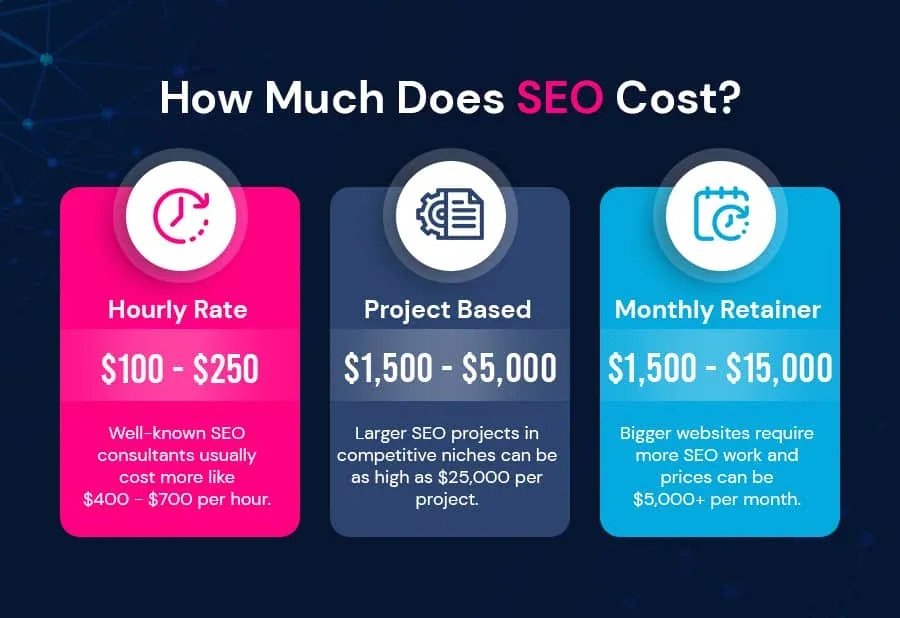
When businesses search for seo cost Manchester, they are usually expecting a simple answer something like a fixed monthly fee or a quick price range. In reality, SEO doesn’t work that way. It is not a product with a fixed price; it is a strategic investment shaped by competition, industry demand, website condition, and growth expectations. Manchester is one of the UK’s most competitive digital markets. From local trades and professional services to fast growing SaaS companies, everyone is competing for visibility on Google. Because of this competition, SEO costs vary widely depending on how much work is required to achieve meaningful results. Understanding what drives SEO pricing helps businesses avoid underinvesting, overspending, or choosing services that don’t align with long-term goals. This guide breaks down what actually influences SEO cost, what businesses are paying for, and how to evaluate real value instead of just comparing prices. What Actually Determines SEO Cost in Manchester? The seo cost Manchester businesses encounter depends on several interconnected factors. SEO is not a single task it is a combination of technical improvements, content strategy, authority building, and ongoing optimisation. 1. Industry Competition Level The biggest factor affecting SEO pricing is competition. Some industries require significantly more effort to rank, including: Legal services Finance and insurance Property and real estate Competitive eCommerce niches Less competitive sectors, such as niche local services, may require less intensive campaigns but still need consistent optimisation. The more competitive the industry, the more resources are needed for: Content production Authority building (backlinks) Technical optimisation Ongoing SEO monitoring Higher competition naturally increases SEO investment. 2. Website Condition and Technical SEO Health A website’s existing performance plays a huge role in cost. Many businesses underestimate how much technical SEO affects rankings. If a website has foundational issues, SEO work becomes more complex. Common problems include: Slow page speed Poor mobile responsiveness Broken internal links Crawl errors and indexing issues Duplicate or thin content Before growth strategies can work, these issues must be fixed. A strong technical foundation is essential because search engines prioritise usability, structure, and performance when ranking pages. 3. Keyword Targeting and Search Intent Not all keywords require the same level of effort. For example: “Manchester electrician” (local intent, moderate competition) “best electrician services UK” (national, highly competitive) The broader and more competitive the keyword, the more investment is needed in: Content depth and volume Link acquisition strategies Domain authority building On-page optimisation Understanding search intent is also important. Keywords with strong commercial intent usually require more strategic optimisation because they directly influence revenue. 4. Content Strategy Requirements Content is one of the most important ranking factors in modern SEO. Businesses that want strong visibility often require: Service page optimisation Location landing pages Blog content for topical authority Long-form informational articles Conversion-focused landing pages Search engines reward websites that demonstrate depth, relevance, and expertise. This means content is not optional it is a core part of SEO success. A strong content strategy directly increases SEO cost because it requires ongoing planning, writing, and optimisation. Common SEO Pricing Models in Manchester When evaluating seo cost Manchester, it’s important to understand how agencies structure pricing. Monthly Retainers This is the most common model. Businesses pay a fixed monthly fee that typically covers: Ongoing SEO optimisation Content creation Technical improvements Link building Reporting and analysis This model is best suited for long-term growth because SEO requires consistency over time. Project Based SEO This involves one off work such as: Technical SEO audits Website migrations Strategy development Fixing specific ranking issues It is useful for solving defined problems but does not replace ongoing SEO efforts. Hourly Consulting This model is usually used for: Strategy advice Internal team support Short-term expert guidance It is less common for full SEO campaigns but useful for businesses with in-house marketing teams. Why Cheap SEO Often Becomes Expensive Later One of the biggest mistakes businesses make is choosing SEO purely based on price. Cheap SEO services often lead to long-term issues such as: Low-quality or spam backlinks Automated or duplicate content Lack of technical optimisation Poor keyword targeting No strategic direction While these methods may produce short-term ranking fluctuations, they rarely deliver sustainable results. In many cases, businesses eventually need to fix the damage, which costs more than investing in proper SEO from the beginning. Search engines now prioritise trust, expertise, and authority. Shortcuts are increasingly ineffective in competitive markets. SEO Should Be Seen as a Long Term Growth Asset SEO is not just an expense it is a long-term digital asset. Unlike paid advertising, which stops when you stop spending, SEO continues to generate traffic and leads over time. Key long-term benefits include: Continuous organic traffic growth Higher conversion rates from search users Stronger brand authority and trust Reduced dependency on paid ads Compounding visibility over time When done properly, SEO becomes one of the most cost-efficient marketing channels available. What Professional SEO Actually Includes A complete SEO strategy is made up of several core components working together: On-Page SEO Optimising website content, headings, metadata, and internal linking structure to improve relevance and readability. Technical SEO Improving site speed, mobile usability, crawlability, indexing, and overall site performance. Content Strategy Creating valuable, intent-driven content that targets both users and search engines while building topical authority. Link Building Acquiring high-quality backlinks from relevant and authoritative websites to improve domain strength and trust signals. SEO Audits & Reporting Continuous monitoring of performance, keyword rankings, traffic trends, and technical issues to guide strategy adjustments. Agencies such as Fiesta Digital Solution typically combine all of these into structured growth systems designed to improve visibility and long-term performance rather than focusing on quick wins. How Businesses Should Evaluate SEO Value Instead of focusing only on seo cost Manchester, businesses should evaluate: Expected return on investment (ROI) Quality of traffic and leads generated Transparency of reporting and communication Realistic timelines for results Experience and expertise of the provider Alignment with business goals Good SEO is measurable, strategic, and continuously optimised. It should always be … Read more