Fiesta Digital Solutions

GSC Branded Queries Filter Track Real SEO Growth
GSC Branded Queries Filter

Are we growing because people already know our brand or because we’re reaching new audiences? Now, the branded queries filter in Google Search Console makes that distinction much easier. Instead of building complex regex filters or exporting data to spreadsheets, you can now separate branded and non-branded search performance directly inside GSC. This seemingly small feature fundamentally changes how SEO success should be measured. What Is the GSC Branded Queries Filter?  The branded queries filter in Google Search Console automatically separates search queries that include your brand name from those that don’t, allowing you to analyse brand demand and discovery traffic independently. Who Should Use It? Business owners tracking brand growth SEO professionals and agencies Marketing teams measuring awareness E-commerce operators Content strategists How It Works GSC classifies queries containing recognised brand terms as “branded” and groups all others as “non-branded.” Why It Matters It reveals whether traffic comes from existing brand recognition or new customer discovery. Why Branded vs Non-Branded Data Matters Blended data can be misleading. Branded searches typically: Have higher CTR Rank easily Convert better Reflect existing awareness Non-branded searches usually indicate: New audience reach Content effectiveness Market expansion Top-of-funnel discovery Without segmentation, you cannot accurately evaluate SEO performance. Where to Find the Branded Filter in GSC Navigate to: Performance → Search Results → + Add Filter → Query You can then choose branded or non-branded query groups. The segmentation also applies to: Clicks Impressions CTR Average position API exports Step-by-Step: How to Use the Branded Query Filter Step 1 Open Performance Reports Access your site’s search performance dashboard. Step 2 Add a Query Filter Click “+ Add Filter” → Query → Query Group Select: Branded queries Non-branded queries Step 3 Compare Performance Analyse differences in: Traffic trends CTR Rankings Seasonal patterns Step 4 Export or Save Reports Use the segmented data for: SEO reporting Marketing analysis Strategy decisions Real World Use Cases 1. Measuring Brand Awareness Rising branded searches often signal growing recognition from: Advertising campaigns PR activity Social media exposure Offline marketing Declining branded searches may indicate fading visibility. 2. Diagnosing Traffic Drops If organic traffic falls, segmentation helps identify why: Brand demand decline Algorithm impact on discovery keywords Seasonal fluctuations Competitive pressure 3. Evaluating Content Strategy Non-branded growth shows whether content is attracting new users. If non-branded traffic is stagnant, your content may not be expanding reach. 4. Forecasting Business Performance Branded searches often correlate with: Purchase intent Customer loyalty Market share Tracking trends can provide early warning signals. Why Branded Traffic Converts Better Users searching for a specific brand usually have strong intent. They may already: Trust the company Compare products Look for contact details Plan a purchase Non-branded users are still researching. This explains why branded traffic often produces higher conversion rates despite lower volume. Strategic Insights You Can Unlock Separating the data allows you to answer critical questions: Are We Growing Awareness or Just Demand? If only branded traffic increases, growth may come from marketing not SEO discovery. Is Our SEO Reaching New Customers? Non-branded growth indicates expanding market visibility. Did an Algorithm Update Affect Us? Core updates typically impact non-branded rankings more than branded ones. Limitations of the Branded Query Filter Despite its usefulness, the feature isn’t perfect. Common Challenges Misspellings or variations may not be recognised Product names without brand references may be misclassified Generic brand names can cause ambiguity Competitor brand searches are not included International brand variations may differ Manual analysis may still be necessary for complex cases. Best Practices for Accurate Reporting Combine with Other Data Sources Use insights alongside tools like Google Analytics for conversions and behaviour. Track Trends Over Time Short-term fluctuations are normal. Focus on long-term patterns. Segment by Device or Location Performance can vary across mobile, desktop, or regions. Align With Marketing Activities Match search trends with campaigns, product launches, or seasonal events. GEO Considerations Brand awareness differs across markets. For example, a business expanding into new regions may see: Low branded searches Higher non-branded discovery traffic Gradual brand growth over time Tracking segmentation helps measure localisation success. Why This Feature Signals a Shift in SEO Measurement Search performance is no longer just about rankings. It’s about: Brand demand Visibility Discovery Customer intent The branded query filter moves SEO reporting closer to real marketing impact. Is the Branded Queries Filter Worth Using? Absolutely. It simplifies analysis that previously required complex workarounds and provides clearer insights into what’s driving organic performance. For most websites, it should become a standard part of reporting. FAQs Q1. Does the branded filter cost anything to use? A. No. It is built into Google Search Console, which is free. Q2. How accurate is the classification? A. Generally reliable, but not perfect especially for complex brand names. Q3. Can it track competitor branded searches? A. No. It only applies to queries related to your property. Q4. How often should I review branded vs non-branded data? A. Monthly reviews are common, with quarterly trend analysis for strategy decisions. Q5. Is this useful for small businesses? A. Yes. Even small brands benefit from understanding awareness versus discovery.    

SEO KPIs The Complete Guide to Measuring What Really Drives Growth

SEO KPIs

Search engine optimisation can feel frustrating when you don’t know whether your efforts are actually working. Traffic goes up… rankings change… conversions fluctuate. That’s why tracking the right SEO KPIs (Key Performance Indicators) is essential. Without them, you’re guessing not optimising. This guide explains which metrics truly matter, how to measure them, and how to align SEO performance with real business results. What Are SEO KPIs?  SEO KPIs are measurable indicators that show how effectively your search engine optimisation efforts are improving visibility, traffic, engagement, and business outcomes. Who Should Track Them? Business owners investing in SEO Marketing teams and agencies Website managers E-commerce operators Content publishers How They Work KPIs track performance across the SEO funnel from visibility to conversions. Why They Matter They reveal whether SEO is generating meaningful growth, not just vanity metrics. Why Tracking the Right SEO KPIs Matters SEO is a long term investment. Poor measurement leads to: Wasted budget Misguided strategy False expectations Missed opportunities Strong KPIs enable: Data-driven decisions Clear ROI evaluation Prioritisation of high impact actions Better alignment with business goals Core SEO KPIs Every Website Should Track 1. Organic Traffic The number of visitors arriving from search engines. Measured in tools like Google Analytics. Why it matters: Traffic indicates visibility and demand. But beware: Traffic alone doesn’t equal success. 2. Keyword Rankings Your position in search results for target queries. Tools such as Google Search Console provide ranking insights. Why it matters: Higher rankings generally bring more visibility. Limitation: Rankings fluctuate and don’t guarantee clicks. 3. Click Through Rate (CTR) Percentage of impressions that result in clicks. High impressions + low CTR = opportunity to improve titles and meta descriptions. 4. Conversions from Organic Traffic Actions that generate business value: Purchases Leads Sign-ups Downloads Calls This is one of the most important KPIs. Traffic without conversions doesn’t grow your business. 5. Organic Revenue (for E-commerce) Tracks how much income comes directly from search traffic. Essential for ROI analysis. Engagement KPIs That Indicate Content Quality 6. Bounce Rate & Dwell Time These metrics show whether visitors find your content useful. High bounce rate may indicate mismatch with search intent Longer time on page usually signals engagement 7. Pages per Session Indicates whether users explore your site further. Strong internal linking often improves this metric. Technical SEO KPIs Technical health affects whether search engines can crawl and index your site effectively. 8. Index Coverage How many pages are indexed versus excluded. Issues here can severely limit visibility. 9. Page Speed & Core Web Vitals Performance metrics influencing user experience and rankings. Key factors include: Loading speed Interactivity Visual stability 10. Crawl Errors Broken links, server issues, and redirect problems reduce SEO effectiveness. Local SEO KPIs (If Applicable) For location based businesses, visibility in local results is critical. 11. Local Pack Rankings Position in map results for local searches. 12. Calls, Directions & Local Actions These often matter more than website visits. Emerging SEO KPIs for AI-Driven Search Search behaviour is evolving rapidly due to AI-generated answers. Traditional metrics don’t always capture influence in zero-click environments. LLM Recommendation Presence Measures how often your brand appears in AI responses from systems like ChatGPT. Brand Mentions in AI Answers Even without clicks, being cited can influence decisions. Visibility in AI Overviews Search engines increasingly summarise information directly on results pages. Why These New KPIs Matter Influence can occur before a user ever visits your site. Tracking presence not just clicks is becoming essential. Choosing the Right KPIs for Your Business Goals Not all metrics matter equally. For Lead Generation Businesses Prioritise: Conversions Qualified traffic Cost per lead Keyword rankings for buyer-intent terms For E-commerce Focus on: Organic revenue Conversion rate Product visibility Average order value For Brand Awareness Track: Traffic growth Impressions Brand searches Mentions Vanity Metrics vs Actionable KPIs Vanity Metrics (Misleading Alone) Raw traffic numbers Total impressions Social shares without conversions Actionable KPIs Revenue Leads Conversion rate High-intent keyword performance How to Set Effective SEO KPIs (Step-by-Step) Step 1 Define Business Objectives Examples: Increase sales Generate leads Build brand awareness Enter new markets Step 2 Map KPIs to the Customer Journey Awareness → Traffic & impressions Consideration → Engagement metrics Decision → Conversions & revenue Step 3 Establish Baselines Measure current performance before setting targets. Step 4 Set Realistic Timeframes SEO improvements often take: 3 to 6 months for early impact 6 to 12 months for significant growth Common KPI Mistakes to Avoid Tracking too many metrics Ignoring business outcomes Changing goals too frequently Expecting quick results Not segmenting data Future of SEO Measurement SEO is shifting from ranking-focused to visibility-focused. Key trends include: Zero-click search growth AI-generated answers Brand authority signals Multi-platform discovery Businesses that adapt their KPIs accordingly will gain a competitive advantage. Are SEO KPIs Worth Tracking? Absolutely but only if they align with real business goals. Tracking the wrong metrics can be worse than tracking none at all. Focus on outcomes, not just activity. FAQ  Q1. How long does it take to see improvements in SEO KPIs? A. Most websites see measurable changes within 3 to 6 months, though competitive industries may take longer. Q2. What is the most important SEO KPI? A. Conversions or revenue from organic traffic typically matter most. Q3. Are rankings still important? A. Yes, but they should be evaluated alongside traffic and business impact. Q4. Do small businesses need complex KPI tracking? A. Not necessarily. A focused set of metrics is often more effective. Q5. Can SEO KPIs predict ROI? A. They indicate performance trends but cannot guarantee future results.

How to Turn Claude Code Into Your SEO Command Center

claude code seo​

Modern SEO involves juggling data, tools, and constant algorithm changes. What if one intelligent system could connect everything research, analysis, reporting, and strategy? That’s exactly why many marketers are turning to Claude Code as a central hub for SEO operations. Instead of switching between dashboards, spreadsheets, and tools, Claude Code can analyse large datasets, automate tasks, and generate insights in seconds. What Is Claude Code for SEO?  Claude Code is an AI-powered coding assistant that can analyse data, write scripts, automate workflows, and answer complex questions making it highly effective for SEO analysis and optimisation tasks. Who Should Use It? SEO professionals and agencies Marketing teams handling large datasets Technical SEOs Business owners seeking automation Content strategists How It Works You provide instructions or data, and the AI generates scripts, insights, or solutions to accomplish SEO tasks automatically. Why It Matters SEO success increasingly depends on analysing massive data across multiple platforms something humans alone cannot do efficiently. Why Claude Code Is Ideal as an SEO Command Center Traditional SEO workflow: Keyword tools Analytics dashboards Ranking trackers Technical audits Content analysis Manual reporting Claude Code can unify these into one intelligent layer. Key Advantages  Cross-platform data analysis   Automation of repetitive tasks   Real-time insights   Custom workflows  Scalability  Reduced manual work Core SEO Tasks Claude Code Can Automate 1. Keyword Research at Scale Claude Code can: Analyse keyword lists Identify clusters and intent Detect opportunities Generate long-tail variations Compare competitors Example prompt: “Group these keywords by search intent and identify content gaps.” 2. Content Strategy & Topical Authority You can use it to: Build content clusters Generate outlines Analyse competitor coverage Suggest internal linking structures Identify missing topics This is especially useful for building topical authority a major ranking factor. 3. Technical SEO Analysis Claude Code can process crawl data or logs to find: Broken links Redirect chains Indexation issues Duplicate content Performance bottlenecks Instead of manual audits, you get instant insights. 4. SERP & Competitor Analysis Provide competitor URLs or data, and it can: Extract ranking patterns Analyse content depth Identify strengths and weaknesses Suggest outranking strategies 5. Analytics & Performance Insights Claude Code can analyse exports from: Google Search Console Analytics platforms Ads data Rank trackers Example questions: Which pages drive impressions but low clicks? Where is traffic declining? What content should be updated first? 6. Automated Reporting Instead of manual monthly reports: Generate summaries Highlight key metrics Create actionable recommendations Produce client ready insights How to Build Your SEO Command Center (Step-by-Step) Step 1 Define Your Objectives Decide what you want to centralise: Keyword strategy Content planning Technical audits Performance analysis Reporting Step 2 Gather Your Data Sources Typical inputs include: Keyword lists Site crawls Analytics exports Competitor data Content inventories Step 3 Use Natural Language Instructions You don’t need complex prompts. Examples: “Find SEO opportunities in this dataset.” “Prioritise pages for optimisation.” “Suggest topics to outrank competitors.” Step 4 Create Repeatable Workflows Save effective prompts for tasks like: Monthly performance reviews Content planning cycles Technical checks Campaign analysis Real World Use Cases For Agencies Faster client reporting Data-driven recommendations Competitive insights Scalable operations For In House Teams Prioritisation of SEO tasks Cross-department insights Content planning For Business Owners Clear understanding of website performance Reduced reliance on multiple tools Better decision-making Pros and Cons of Using Claude Code for SEO Pros Extremely powerful analysis capabilities Handles large datasets effortlessly Customisable workflows Saves significant time Reduces tool fragmentation Cons Learning curve for non-technical users Requires high-quality data inputs May produce inaccurate outputs if prompts are unclear Not a replacement for human strategy Needs verification of results Common Mistakes to Avoid Treating AI insights as absolute truth Ignoring business context Over-automating strategy decisions Using poor quality data Expecting instant results Future of AI Driven SEO Command Centers AI assistants like Claude Code are part of a broader shift: From manual analysis → intelligent insights From tool-based workflows → unified systems From reactive SEO → predictive optimisation Businesses that adapt early gain a competitive advantage. Is Claude Code Worth It for SEO? Yes, if you handle complex SEO tasks, large datasets, or multiple websites. For small sites with minimal data, traditional tools may be sufficient. But for serious growth, AI-driven analysis is becoming essential. FAQs  Q1. How much does it cost to use Claude Code for SEO? A. Costs depend on usage and platform access. Many tasks can be done efficiently without enterprise-level expenses. Q2. Is Claude Code suitable for beginners? A. Yes, especially for data analysis and content planning, though technical tasks may require learning. Q3. How quickly can it improve SEO results? A. Insights are immediate, but ranking improvements still depend on implementation and search engine factors. Q4. Can it replace SEO tools entirely? A. No. It complements tools rather than replacing them, especially for tracking and historical data. Q5. Is it safe to rely on AI for SEO decisions? A. AI should support not replace expert judgement. Always validate recommendations. Conclusion Turning Claude Code into your SEO command center isn’t about replacing existing tools it’s about amplifying your capabilities.

Automate SEO Tasks for Faster Growth 2026

Automate SEO Tasks

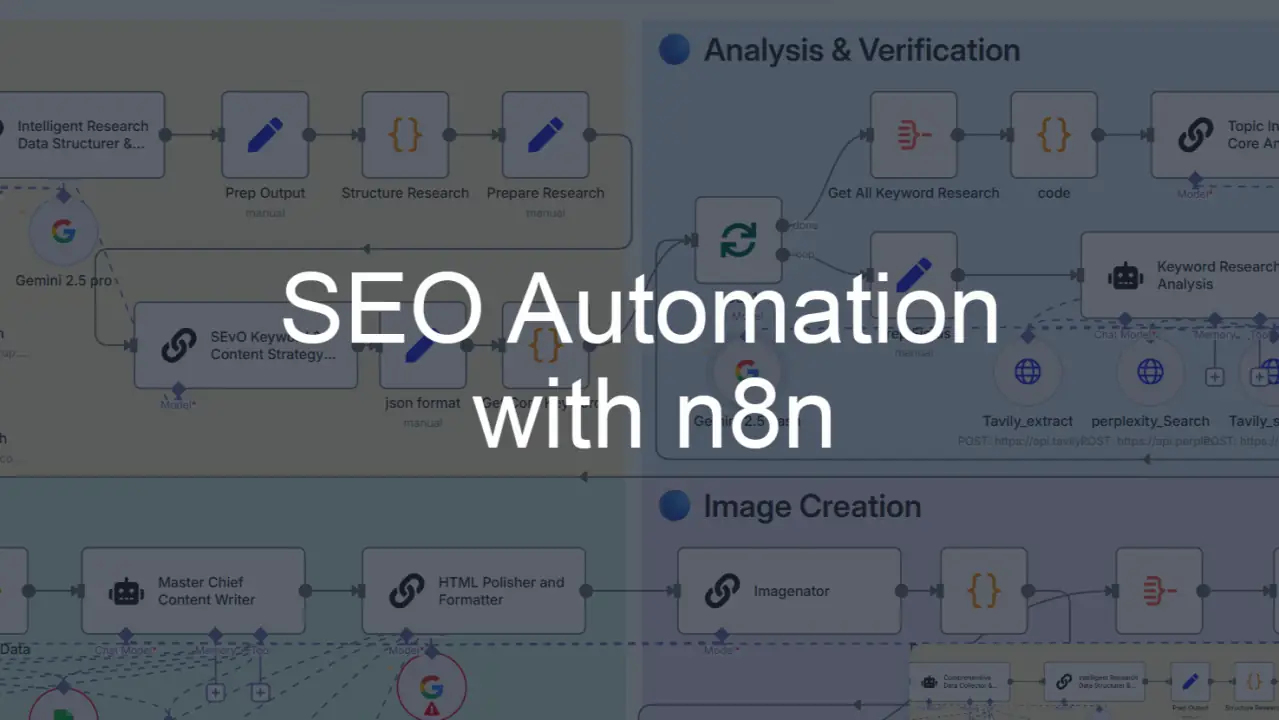
Search engine optimisation is one of the highest ROI marketing channels but it’s also one of the most time intensive. Keyword research, technical audits, content optimisation, reporting, and monitoring can consume dozens of hours every month. The good news? Many of these activities can now be automated safely allowing you to scale faster, reduce costs, and focus on strategy instead of repetitive work. This comprehensive guide explains how to automate SEO tasks effectively, what to automate, what not to automate, and how to avoid common pitfalls. What Does It Mean to Automate SEO Tasks? Automating SEO tasks means using software, AI tools, or scripts to perform repetitive optimisation activities such as data collection, analysis, reporting, and basic content improvements with minimal manual effort while maintaining human oversight. Who Should Automate SEO? Automation is ideal for: Small business owners managing marketing alone Agencies handling multiple clients E-commerce websites with large inventories Content publishers producing frequent articles Marketing teams aiming to scale efficiently If SEO work feels overwhelming or inconsistent, automation can dramatically improve productivity. How SEO Automation Works Most tools follow a similar process: Gather large amounts of search and website data Analyse patterns using algorithms or AI Generate insights or recommendations Apply changes automatically or semi-automatically Track results continuously Human review ensures outputs align with brand goals and search intent. Why Automating SEO Tasks Matters Automation is not just about saving time it enables growth that would otherwise be impossible. Key benefits include: Faster execution of campaigns Reduced manual workload Improved consistency across pages Real time performance tracking Lower long-term costs Ability to scale content and optimisation Businesses that automate strategically can compete with much larger organisations. Best SEO Tasks to Automate (High Impact Areas) Not everything should be automated. Focus on tasks that are repetitive, data heavy, and rule-based. 1. Keyword Research & Topic Clustering Automation tools can quickly: Generate thousands of keyword ideas Identify search intent Group related terms into topic clusters Discover long-tail opportunities Analyse competition This turns days of work into minutes and helps build strong topical authority. 2. Rank Tracking & Competitor Monitoring Instead of checking rankings manually, automated tools can: Track positions daily Monitor competitors Alert you to sudden drops Identify new ranking opportunities Continuous monitoring enables faster responses to algorithm changes. 3. Technical SEO Audits Large websites often contain hidden issues that harm rankings. Automated crawlers can detect: Broken links Duplicate content Missing metadata Redirect problems Indexing errors Slow pages Manual audits simply cannot scale to thousands of URLs. 4. Meta Titles, Descriptions & Image Alt Text Generating metadata for large sites is extremely time-consuming. Automation can produce: SEO friendly page titles Meta descriptions Image alt text Structured naming conventions Important pages should still be reviewed to maximise click-through rates. 5. Content Optimisation & Assistance AI tools can support not replace content creation by helping with: Topic ideas Article outlines Semantic keyword suggestions Readability improvements Content gap analysis Human expertise is still essential for originality and trustworthiness. 6. SEO Reporting & Analytics Reporting is one of the easiest wins for automation. Dashboards can automatically: Combine data from multiple platforms Track KPIs in real time Generate scheduled reports Visualise trends Highlight anomalies This frees teams from hours of manual spreadsheet work. SEO Tasks You Should NOT Fully Automate Automation has limits. Some activities require human judgement and experience. Strategy & Planning Understanding your market, audience, and positioning cannot be automated effectively. High Quality Content Creation Search engines reward expertise and authentic insights. Fully automated content often lacks depth, originality, and credibility. Link Building & Outreach Successful link acquisition relies on relationships, relevance, and negotiation not mass automation. Brand Messaging & UX Decisions Automation cannot understand emotional triggers, tone, or user psychology the way humans can. Step-by-Step Guide: How to Start Automating SEO Tasks Step 1 Audit Your Current Workflow Identify tasks consuming the most time with the lowest strategic value. Step 2 Prioritise High ROI Automation Focus on activities that directly affect rankings or scalability. Step 3 Choose Reliable Tools Look for platforms with: Accurate data sources Integrations with your systems Customisation options Good support and documentation Step 4 Implement Gradually Start with one or two processes before expanding. Step 5 Maintain Human Oversight Review outputs regularly to ensure quality and accuracy. Automation should assist experts not replace them. Common Mistakes to Avoid Many businesses fail because they automate incorrectly. Avoid these pitfalls: Publishing unedited AI content Ignoring search intent Over optimising keywords Automating everything at once Neglecting quality checks Choosing tools based only on price Poor implementation can damage rankings rather than improve them. Is SEO Automation Worth It? For most organisations, absolutely. Automation delivers the greatest value when it: 1) Saves time on repetitive work 2) Improves accuracy and consistency 3) Enables scaling of successful strategies 4) Supports data driven decisions However, it works best as part of a hybrid approach combining technology and human expertise. Pros and Cons of Automating SEO Tasks Advantages Significant time savings Lower operational costs Scalable optimisation Consistent execution Faster insights from data Limitations Requires monitoring Risk of generic outputs Tool subscriptions can add up Not suitable for creative tasks Over automation may reduce quality Understanding these trade offs helps you use automation wisely. Future of SEO Automation Automation is evolving rapidly as search engines become more AI-driven. Emerging trends include: Predictive SEO insights Real time content recommendations Voice search optimisation tools Automated user intent analysis Integration with broader marketing systems Businesses adopting these technologies early will gain a significant competitive advantage. Frequently Asked Questions (FAQs) Q1. How much does SEO automation cost? A. Costs range from free tools to enterprise platforms costing hundreds per month. Many businesses start with mid-tier solutions offering strong functionality without excessive expense. Q2. Can SEO be fully automated? A. No. While many repetitive tasks can be automated, strategy, creativity, and decision making still require human expertise. Q3. How long before automation improves rankings? A. SEO results typically take 3 to 6 months, depending on competition, site authority, and implementation quality. … Read more

Google Spam Update 2026: What It Means & How to Protect Your Website

Google Spam Update

What Is the Google Spam Update 2026? The Google Spam Update 2026 is an algorithm update designed to detect and reduce low quality, manipulative, or policy violating websites in search results, potentially lowering rankings or removing offending pages entirely. Unlike core updates, spam updates specifically target rule breaking behaviour rather than general content quality. Who Should Pay Attention to This Update? Website owners, marketers, publishers, and businesses that rely on organic search traffic should closely monitor spam updates, especially if their strategies involve aggressive SEO tactics, AI generated content, or large scale publishing. High risk categories include: Affiliate sites Content-heavy blogs eCommerce stores Lead-generation websites Agencies managing multiple client sites Sites using automated content tools How the March 2026 Spam Update Works Spam updates refine Google’s automated systems, such as SpamBrain, to identify signals of manipulation, deceptive practices, or low value content at scale. When triggered, the system can: Demote specific pages Reduce domain-wide visibility Ignore spammy backlinks Remove pages from indexing Apply algorithmic penalties Recovery requires demonstrable compliance over time. Why This Update Matters The March 2026 rollout was unusually fast reportedly completed in under 24 hours signalling improvements in Google’s automated enforcement capabilities. A rapid rollout suggests: Mature detection systems Targeted enforcement Minimal testing needed Immediate ranking impact For affected sites, traffic changes likely occurred almost instantly. Spam Update vs Core Update: Key Differences Understanding the distinction is critical. Spam Update Targets violations of Google’s spam policies, such as: Link manipulation Cloaking Scraped content Thin or auto-generated pages Hidden text Malware or deceptive practices Core Update Reassesses overall content quality and relevance without necessarily penalising policy violations. If rankings drop after a spam update, compliance issues are the likely cause. Common Reasons Sites Get Hit Google rarely discloses exact triggers, but patterns from past updates reveal common risk factors. 1. Scaled Low Quality Content Large volumes of pages with minimal unique value, often produced rapidly. 2. Manipulative Link Building Purchased links, link networks, or unnatural anchor patterns. 3. AI Content Without Human Oversight Automation alone isn’t penalised, but low-value output is. 4. Cloaking or Deceptive Practices Showing different content to search engines than to users. 5. Expired Domain Abuse Repurposing old domains solely to inherit authority. 6. Site Reputation Exploitation Hosting third party content unrelated to the site’s core purpose. Signs Your Website Was Affected Check performance data around the rollout period. Key indicators include: Sudden traffic drop Ranking declines across many keywords Deindexing of pages Reduced impressions in Search Console Loss of visibility without major site changes Compare metrics before and after the update window. How to Check Impact Quickly Use analytics tools to pinpoint changes. Step 1 Review Search Console Data Look for declines starting around March 24 to 25. Step 2 Analyse Page Level Performance Identify whether drops affect: Specific pages Content types Entire sections The whole domain Step 3 Audit Recent SEO Activities Consider whether recent tactics could appear manipulative. Recovery Strategy: Step-by-Step Recovery is possible but requires patience. 1. Conduct a Full SEO Audit Identify technical, content, and backlink issues. 2. Remove or Improve Low Quality Content Delete or rewrite thin pages. 3. Clean Up Link Profile Disavow harmful backlinks where appropriate. 4. Fix Policy Violations Ensure full compliance with Google’s guidelines. 5. Strengthen E-E-A-T Signals Demonstrate expertise, trustworthiness, and authority. 6. Wait for Re-evaluation Algorithmic recovery often takes months. Preventing Future Spam Penalties Long term success comes from sustainable practices. Focus on User Value First Create content that genuinely helps readers. Avoid Shortcuts Manipulative tactics may work temporarily but carry high risk. Maintain Editorial Standards Ensure accuracy, originality, and depth. Monitor Backlinks Regularly Prevent harmful patterns from accumulating. Publish With Intent, Not Volume Quality consistently beats quantity. Impact on AI Generated Content AI itself isn’t banned, but low quality mass production is risky. Safe usage involves: Human editing Fact checking Original insights Unique perspectives Audience focused writing The goal is usefulness, not automation. What This Means for Businesses Spam updates reinforce a major shift in SEO: trust and credibility matter more than ever. Companies relying on search traffic should treat SEO as a long term brand building activity rather than a technical trick. Future of Google Spam Enforcement Expect continued advancements in automated detection. Emerging trends include: AI-driven spam identification Real time ranking adjustments Greater emphasis on user signals Crackdowns on scaled content abuse Stronger integration with helpful content systems Sites that prioritise authenticity will benefit most. FAQ  Q1. How long does recovery from a spam update take? A. Recovery can take several months, as Google’s systems need time to detect improvements and reassess compliance. Q2. Can a site be permanently removed from search results? A. Severe or repeated violations can lead to long-term suppression, but most sites can recover with corrective action. Q3. Do small websites get affected too? A. Yes. Spam policies apply regardless of site size or location. Q4. Is SEO still worth investing in after spam updates? A. Absolutely. Ethical SEO becomes more valuable as low-quality competitors are filtered out. Q5. Should I stop using AI tools for content? A. No, but ensure human oversight and high editorial standards to maintain quality. Final Thoughts The Google Spam Update 2026 demonstrates how quickly search visibility can change when policies are violated. While sudden ranking drops can be alarming, they also highlight the importance of ethical, user focused SEO.

SEO Strategist Role, Skills, and Why Businesses Need one in 2026

seo strategist​ in uk

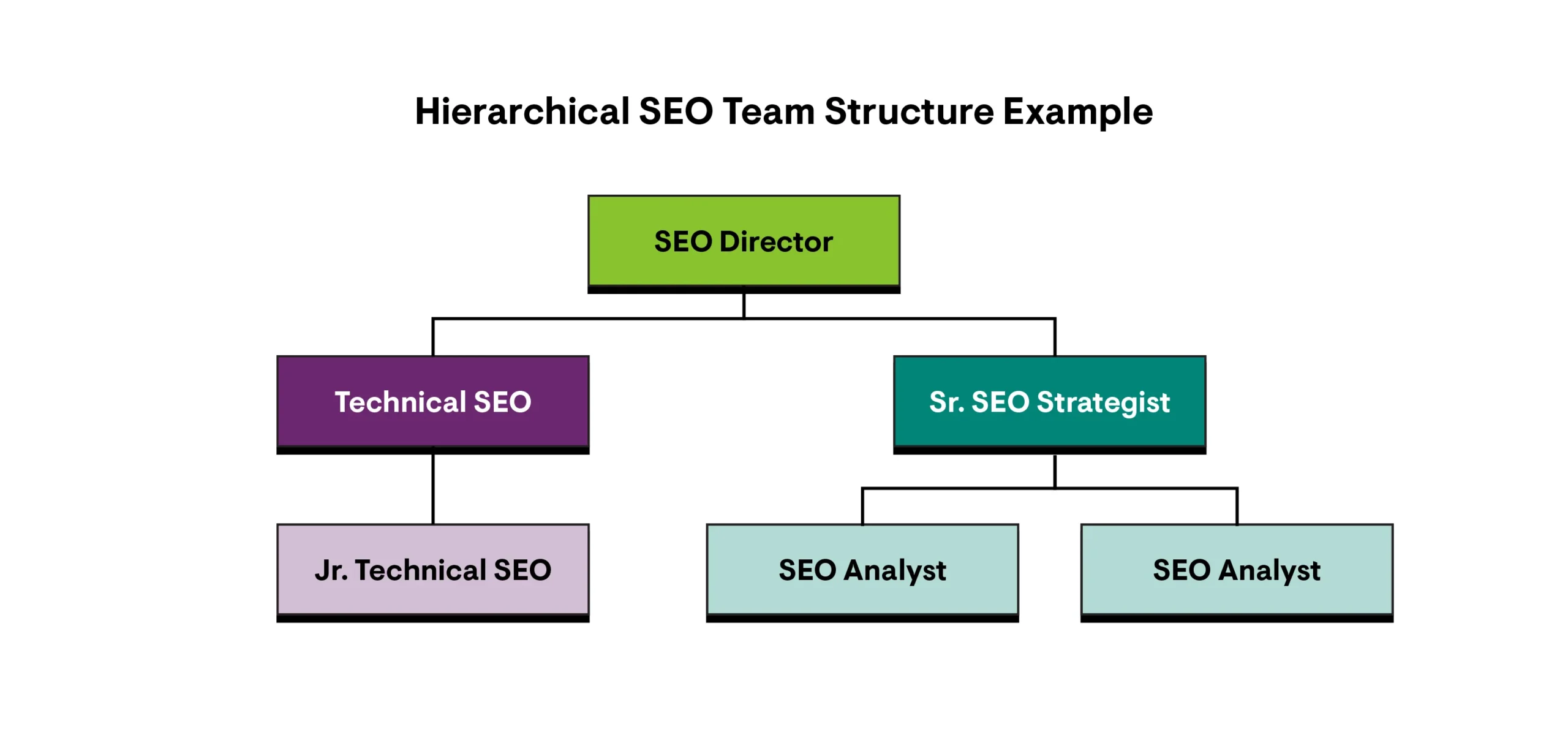
What Is an SEO Strategist? An SEO strategist is a digital marketing professional who plans, directs, and optimises a website’s search visibility using data, content strategy, technical improvements, and authority building to achieve sustainable organic growth. Unlike tactical SEO specialists, strategists focus on the big picture aligning search performance with business goals. Who Should Consider Hiring an SEO Strategist? Businesses that rely on online visibility for leads, sales, or brand growth benefit most from an SEO strategist, especially in competitive industries or scaling stages. This includes: Small and medium businesses Startups entering crowded markets eCommerce brands Service providers B2B companies Organisations undergoing digital transformation If customers search before buying, strategy matters. How Does an SEO Strategist Work? An SEO strategist analyses market demand, competitors, and website performance to create a structured plan that improves rankings, traffic quality, and conversions over time. Typical workflow: Audit current performance Identify opportunities Develop strategy Coordinate implementation Measure and refine Why an SEO Strategist Matters More Than Ever Search engines have evolved from keyword matchers to intent interpreters. AI, privacy changes, and user behaviour shifts have made tactical SEO alone insufficient. Strategists bridge the gap between: Data and decision-making Traffic and revenue Content and customer needs Algorithms and human intent Businesses without strategic direction often waste resources on disconnected tactics. Core Responsibilities of an SEO Strategist 1. Market & Competitor Analysis Understanding the search landscape is foundational. Key tasks include: Identifying high-value keywords Analysing competitor strengths and weaknesses Mapping search intent across the customer journey Finding content gaps Estimating traffic potential 2. Technical SEO Planning Strategists ensure the website infrastructure supports rankings. Focus areas: Site architecture Page speed optimisation Mobile usability Indexing issues Core Web Vitals Structured data opportunities Technical barriers can suppress even excellent content. 3. Content Strategy Development Content is the primary driver of organic visibility. A strategist defines: Topic clusters Editorial priorities Search intent alignment Internal linking frameworks Conversion pathways The goal is authority, not just traffic volume. 4. Link Building & Authority Growth Backlinks remain a major ranking factor. Strategic approach includes: Digital PR initiatives Partnership outreach High-quality guest publishing Brand mentions Resource link acquisition Ethical methods protect long term rankings. 5. Data Analysis & Performance Tracking Strategy without measurement is speculation. Key metrics monitored: Organic traffic quality Keyword visibility Conversion rates Engagement signals Revenue attribution Modern strategists also analyse behavioural data to understand user intent. From Keywords to Intent: The Modern Strategic Shift Traditional SEO focused on what users typed. Modern SEO focuses on why they search. Strategists now integrate multiple data sources: Search analytics Website behaviour Customer feedback Surveys and reviews CRM insights This holistic view enables content that truly resonates. Skills Every Top SEO Strategist Needs Analytical Thinking Ability to interpret complex datasets and extract actionable insights. Technical Knowledge Understanding how websites and search engines function. Content Expertise Knowing how to craft material that satisfies both users and algorithms. Business Acumen Aligning SEO with revenue goals, not vanity metrics. Adaptability Search algorithms and technologies change constantly. Tools Commonly Used by SEO Strategists Professional strategists rely on specialised tools for research and monitoring. Typical toolkit includes: Keyword research platforms Technical audit tools Analytics software Rank tracking systems Backlink analysis tools User behaviour tracking The toolset supports decisions it does not replace strategy. Benefits of Hiring an SEO Strategist Sustainable Traffic Growth Organic visibility compounds over time. Higher Quality Leads Intent aligned content attracts users ready to act. Reduced Advertising Dependence Strong rankings decrease reliance on paid campaigns. Competitive Advantage Outperform rivals who rely on outdated tactics. Long Term ROI SEO investments often deliver value for years. Is Hiring an SEO Strategist Worth It? For most businesses, yes. SEO strategy affects discoverability, credibility, and customer acquisition. Without expert guidance, companies risk investing in ineffective activities or falling behind competitors. How to Choose the Right SEO Strategist Look for: Proven results and case studies Clear methodology Transparent reporting Ethical practices Industry understanding Communication skills Avoid anyone promising instant rankings or guaranteed positions. Cost of an SEO Strategist Pricing varies depending on experience and scope. Typical ranges: Freelance strategist: £50 to £150 per hour Monthly consulting: £1,000 to £5,000+ Enterprise strategy retainers: significantly higher Investment should correlate with expected impact. Common Mistakes Businesses Make Without Strategy Publishing content without keyword research Ignoring technical issues Chasing traffic instead of conversions Copying competitors blindly Over-relying on paid ads Failing to track meaningful metrics These mistakes waste time and budget. The Future of SEO Strategy Key trends shaping the role: AI driven search experiences Voice and conversational queries Privacy focused data collection Entity based ranking systems User experience as a ranking factor Brand authority signals Strategists will increasingly act as growth architects rather than channel specialists. FAQ  Q1. How long does SEO strategy take to show results? A. Most strategies begin producing measurable improvements within 3 to 6 months, with significant growth typically occurring after 6 to 12 months. Q2. Can a single strategist handle all SEO tasks? A. Some can, but larger projects often require a team for technical work, content production, and outreach. Q3. Is SEO still effective in the age of AI? A. Yes. AI has increased competition, making strategic planning even more critical for visibility. Q4. Do small businesses need an SEO strategist? A. Absolutely. Smaller companies often benefit the most because strategic SEO levels the playing field against larger competitors. Q5. What’s the difference between an SEO strategist and an SEO specialist? A. A strategist focuses on planning and direction, while specialists execute specific tasks like technical fixes or content optimisation. Final Thoughts An SEO strategist does far more than improve rankings. They connect business objectives with search demand, customer intent, and digital visibility. In an environment where attention is scarce and competition is intense, strategic direction determines whether SEO becomes a growth engine or a sunk cost. For organisations serious about long-term success online, investing in expert strategy is one of the smartest decisions they can make.  

UK SEO Pricing Guide: Packages, Costs & ROI

UK SEO Pricing

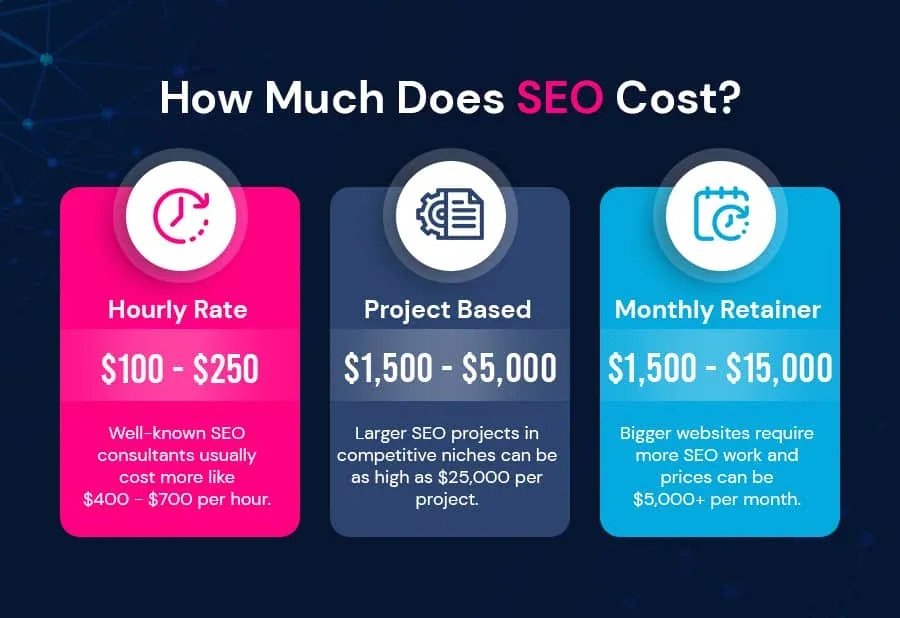
When comparing SEO package prices, you’re evaluating potential business growth, not just costs. In the UK, packages typically range from £500 to £5,000+ per month depending on goals, competition, and your website’s condition, with local campaigns costing less than national or eCommerce efforts. Done properly, SEO becomes a reliable, long term source of leads, sales, and visibility. Why Understanding SEO Pricing Before Investing Matters Most businesses ask one critical question: “Will SEO deliver a real return on investment?” The answer depends heavily on choosing the right level of service. A well-executed SEO campaign can: Generate consistent inbound enquiries Reduce reliance on paid advertising Build long-term brand visibility Deliver compounding returns over time Strengthen trust and authority online However, selecting the wrong package particularly very cheap options can waste budget, slow growth, or even damage your rankings. 🇬🇧 Average SEO Package Prices in the UK   Local SEO for Small Businesses Typical cost: £500 – £1,500 per month Local SEO focuses on helping businesses appear in location based searches and map results. Best suited for: Tradespeople (plumbers, electricians, builders) Clinics, dentists, and healthcare providers Restaurants and hospitality businesses Local retail shops Professional services targeting one area Typical activities included: Optimisation of Google Business Profile Local keyword research and targeting Citation building across directories On-page SEO improvements Basic technical fixes Review strategy support Primary goal: Dominate local search results and attract nearby customers. SME & Regional SEO Typical cost: £1,500 – £3,500 per month This level is designed for growing businesses competing across multiple towns, cities, or regions. Ideal for: Established service companies B2B organisations Multi-location businesses Regional eCommerce brands Campaigns usually include: Comprehensive on site optimisation Technical SEO improvements Content creation and optimisation Link building and outreach Conversion rate improvements Competitor analysis Ongoing performance tracking Primary goal: Expand visibility beyond local markets and capture higher-value traffic. National & eCommerce SEO Typical cost: £3,500 – £10,000+ per month Large-scale campaigns are required for businesses targeting nationwide audiences or highly competitive industries. Suitable for: Online stores with large product catalogues SaaS companies National service providers Finance, legal, or insurance firms Highly competitive niches Advanced campaigns often involve: Full technical SEO management Category and product page optimisation Content marketing strategy Digital PR and authority building User experience improvements Core Web Vitals optimisation International SEO (if relevant) Primary goal: Compete with major brands and dominate high-value keywords. What Determines SEO Package Prices? Website Size and Complexity The amount of work required depends heavily on your site’s structure. A small brochure website may only need modest optimisation, while large sites demand extensive technical management. Large or complex sites often require: Comprehensive technical audits Crawl optimisation Internal linking strategies Indexation management Structured data implementation Industry Competition Some industries are significantly harder to rank in than others. Highly competitive UK sectors include: Legal services Finance and insurance Property and real estate Healthcare Online retail Marketing and SaaS Competing in these markets typically requires stronger backlinks, more content production, and longer timeframes. Current Website Condition If your website has technical or structural issues, these must be resolved before growth can occur. Common problems that increase costs include: Slow loading speeds Poor mobile usability Weak site architecture Duplicate or thin content Technical errors Low domain authority Fixing these issues often forms the foundation of an effective campaign. Scope of Services Included Not all SEO packages provide the same level of work. Basic packages may focus on limited optimisation, while comprehensive strategies include multiple disciplines. Full-service campaigns typically cover: Technical SEO On-page optimisation Content development Link acquisition Conversion rate optimisation (CRO) Analytics and reporting Content and Authority Building Modern search algorithms prioritise expertise, trust, and authority. High-impact campaigns invest significantly in: In-depth informational content Service pages and landing pages Resource hubs and guides Outreach and digital PR High-quality backlinks Authority building is often one of the most resource-intensive aspects of SEO. Cheap SEO vs Professional SEO Cheap SEO (£100 to £400 per month) Low-cost packages often involve: Automated or low-quality links Generic strategies Minimal customisation Limited transparency Outsourced work with little oversight Potential risks: Poor or stagnant results Wasted budget Algorithm penalties Long recovery times Professional SEO (£1,000+ per month) Higher-quality services typically provide: Strategy tailored to your business goals Experienced technical specialists High-quality content creation Ethical link building Transparent reporting Long-term growth focus Professional SEO should function as a sustainable revenue driver rather than a short-term tactic. Is SEO Worth It for Small Businesses? Yes. SEO is widely considered one of the highest ROI marketing channels for small businesses. Once strong rankings are achieved, organic traffic can generate enquiries and sales continuously without paying for every click. Who Should Invest in Professional SEO? Any organisation that relies on online visibility to attract customers can benefit, including: Local service providers eCommerce businesses B2B companies Professional firms Startups seeking scalable growth Businesses in competitive industries typically require expert support to achieve meaningful results. How Long Does SEO Take to Deliver Results? Most campaigns begin showing measurable improvements within 3 to 6 months, with significant growth often occurring after 6 to 12 months. Timelines depend on: Competition level Starting website condition Domain authority Investment level Strategy quality SEO is best viewed as a medium-to-long-term investment. How to Choose the Right SEO Package Define Your Business Goals Clarify what success looks like: Lead generation or online sales Local dominance or national reach Short-term growth or long-term authority Align Budget with Growth Ambitions SEO is scalable. Larger budgets allow more work to be completed simultaneously, which can accelerate results. Look for Transparency Reliable providers clearly explain: What work will be done How success is measured Expected timelines Reporting processes Avoid agencies that rely on vague promises. Assess Communication and Reporting You should receive regular updates on: Keyword rankings Organic traffic trends Conversions and enquiries Completed tasks Future plans Ensure Ethical Practices Sustainable success requires adherence to search engine guidelines. Ethical SEO prioritises: Valuable content Technical excellence Genuine authority building Positive user experience 🇬🇧 Why SEO Costs Reflect the UK Market The UK has a … Read more

The Ultimate Guide to SEO for Gyms (2026 Edition)

Ultimate Guide to SEO for Gyms

Mastering search engine optimisation (SEO) can significantly elevate your gym’s online presence and drive consistent membership growth. In an industry where competition is fierce and location matters, appearing at the top of search results is often the difference between a full class schedule and an empty gym floor. This ultimate guide to SEO for gyms is designed to give gym owners, fitness managers, and studio operators a clear, practical roadmap for improving visibility online. Whether you run an independent gym, a boutique fitness studio, or a multi-location fitness brand, the principles in this guide will help you attract more local members, build trust, and turn online searches into real-world sign-ups. While gyms are service-based, you can still learn from broader optimisation practices highlighted in our top eCommerce SEO agencies in the UK article for scaling online visibility. By the end of this guide, you’ll understand how SEO works for gyms, why it matters, and how to implement strategies that deliver long-term, sustainable growth. The Benefits of SEO for Gyms SEO is not just a marketing tactic, it’s a growth engine. When done correctly, it helps your gym appear exactly when potential members are searching for fitness solutions. Increased Online Visibility SEO ensures your gym shows up prominently in search results for queries like “gym near me” or “fitness centre in [city].” Higher visibility means more website visits and greater brand awareness. Targeted Traffic Unlike broad advertising, SEO attracts people who are actively searching for gym memberships, classes, or personal training. This means higher-quality leads with stronger intent to join. Better User Experience SEO encourages clear site structure, fast load times, and mobile-friendly design. A well-optimised website makes it easy for visitors to find information, book classes, or contact your gym. Trust and Authority High-ranking websites are often perceived as more trustworthy. By publishing helpful content and maintaining a professional online presence, your gym builds credibility with both users and search engines. Cost-Effective Marketing While paid ads stop working once the budget runs out, SEO continues to deliver traffic over time. This makes it one of the most cost-effective long-term marketing strategies for gyms. Local Dominance Local SEO helps your gym dominate searches in your area, driving foot traffic and enquiries from nearby prospects. Website Architecture for Gyms Your website architecture is the foundation of your SEO strategy. A clear, logical structure helps users navigate your site and allows search engines to understand your content. Start With User Intent Think about what visitors want when they arrive on your website. Are they looking for class schedules, membership pricing, or location details? Your navigation should reflect these priorities. Logical Categories and Pages Organise your website into clear sections such as Classes, Memberships, Personal Training, Locations, and Contact. Each page should serve a specific purpose and answer a clear question. Internal Linking Link related pages together naturally. For example, blog posts about strength training can link to your personal training page. Internal links help users explore your site and strengthen SEO. Clean URLs Use short, descriptive URLs such as /classes/yoga instead of long, confusing strings. Clean URLs improve usability and search visibility. Similar local SEO principles apply across industries; our SEO for dentists guide shows how location-focused strategies boost high-intent traffic. Understanding User Intent Modern SEO is built around user intent. Google no longer ranks pages based on keywords alone, it prioritises content that best satisfies what users are actually looking for. Types of Search Intent Informational: “How often should I work out?” Navigational: “ABC Fitness Gym opening hours” Commercial: “Best gym in Manchester” Transactional: “Join gym near me” Your website should include content that addresses each type of intent. Align Content With Intent If someone searches for “best gym for weight loss,” they’re likely comparing options. Creating a page or blog post that explains your weight-loss programmes positions your gym as the solution. On-Page SEO for Gyms On-page SEO focuses on optimising individual pages to rank higher and convert visitors. Keyword Research Identify keywords that match your services and location, such as “personal training in Leeds” or “yoga studio Bristol.” Focus on relevance rather than volume alone. Title Tags and Meta Descriptions Your title tag should clearly describe the page and include your main keyword. Meta descriptions should encourage clicks by highlighting benefits and local relevance. Headers and Content Structure Use headings (H1, H2, H3) to structure your content logically. This improves readability and helps search engines understand the topic of each section. Image Optimisation Compress images to improve load times and add descriptive alt text so search engines understand what the image represents. Mobile Usability Most gym searches happen on mobile. Ensure your site is responsive, easy to navigate, and fast-loading on all devices. Understanding when to complement organic strategies with paid campaigns is key, read our Google Ads vs SEO comparison for practical guidance. Technical SEO Essentials Technical SEO ensures your website performs well behind the scenes. Website Speed Slow websites lose visitors. Use tools like Google PageSpeed Insights to identify performance issues and improve load times. Secure Website (HTTPS) An SSL certificate protects user data and builds trust. Google also favours secure websites in search rankings. XML Sitemap An XML sitemap helps search engines crawl and index your site efficiently. Submit it through Google Search Console. Schema Markup Schema markup provides additional context about your gym, such as opening hours, reviews, and classes, increasing your chances of rich search results. Local SEO for Gyms Local SEO is essential for gyms, as most members come from nearby areas. Google Business Profile Optimisation Claim and optimise your Google Business Profile with accurate details, high-quality photos, and regular updates. Reviews and Reputation Management Encourage satisfied members to leave reviews and respond to all feedback. Reviews influence both rankings and conversion decisions. Consistent NAP Information Ensure your name, address, and phone number are consistent across all directories and platforms. Multi-Location SEO If you operate multiple gyms, create unique location pages for each branch with localised content and reviews. Building Authority Online Authority … Read more

SEO for Dentists: A Guide on How to Get Started

SEO for Dentists Guide

Running a successful dental practice today isn’t just about clinical expertise, it’s about being found at the exact moment patients are searching. Dental search engine optimization helps practices attract the right patients, reduce reliance on paid ads, and build long-term visibility in local search results. If your dental website isn’t generating consistent enquiries, appointments, or calls, SEO may be the missing link. Similar principles apply to service-based businesses; our SEO for gyms guide shows how to optimise for local intent and high-converting searches. What Is Dental Search Engine Optimization? Dental SEO is the process of improving a dental practice’s online presence so it appears prominently in organic search results when potential patients look for dental services. This includes optimising your website, local listings, content, and technical infrastructure to align with how people search for dentists online. Unlike general SEO, SEO for dentists is heavily local, trust-driven, and intent-focused. Patients aren’t browsing casually, they are usually in need of a service, often urgently, and want reassurance, proximity, and credibility before booking. Effective dental practice SEO ensures your clinic is visible when users search for services like routine check-ups, cosmetic dentistry, emergency care, or specialist treatments in your area. Why SEO Matters for Dental Practices More Than Ever Patient behaviour has changed. Referrals and word-of-mouth still matter, but search engines are now the primary discovery channel for dental clinics. When someone needs a dentist, their first action is almost always a Google search. SEO Directly Impacts Patient Acquisition High-ranking dental websites attract users with immediate intent. These visitors are more likely to book appointments because they are actively searching for solutions, not browsing passively. With strong dental organic SEO services, your website becomes a patient acquisition asset that works continuously, without paying for every click. Local Visibility Builds Trust Before the First Visit Dental care is personal. Patients want confidence before choosing a clinic. Appearing prominently in local results, map listings, and organic search builds credibility before a patient even visits your site. A well-executed local dental SEO strategy ensures your practice shows up with accurate details, reviews, and service relevance, all trust signals that influence decision-making. Reduced Dependence on Paid Advertising Paid ads can drive quick traffic, but costs continue to rise and visibility disappears when budgets pause. SEO compounds over time, making it one of the most cost-effective channels for sustainable growth. Practices investing in dental SEO marketing often see improved margins by reducing reliance on ongoing ad spend. Dental practices can also benefit from credibility-building efforts beyond SEO—our Public Relations vs Marketing guide explains how PR can amplify trust and authority alongside search visibility. Understanding Search Intent in Dental SEO One of the biggest differences between average and high-performing dental websites is intent alignment. Informational Searches These include questions about dental health, procedures, symptoms, and preventative care. Informational content builds authority, educates patients, and attracts early-stage users. Examples: Tooth sensitivity causes How often should teeth be cleaned Signs you need a root canal Local and Commercial Searches These are high-value queries tied to bookings and revenue. Examples: Dentist near me Emergency dentist in [city] Dental clinic open today An effective dental SEO strategy balances both, educating patients while guiding them toward appointment-focused pages. Core Challenges Dental Practices Face with SEO Before understanding how to get started, it’s important to address common obstacles that prevent dental clinics from ranking effectively. High Local Competition Most dental practices operate within limited geographic areas, making competition intense. Multiple clinics often target the same keywords, which requires precision and differentiation. Weak Website Structure Many dental websites lack proper service pages, clear navigation, or technical optimisation. This limits search engine visibility and user engagement. Underutilised Local SEO Signals Incomplete local profiles, inconsistent business information, and unmanaged reviews can significantly reduce local rankings. Generic Content That Doesn’t Convert Content written for search engines rather than patients fails to build trust or encourage bookings. SEO must serve both users and algorithms. Even dental practices can learn from broader SEO best practices; our top eCommerce SEO agencies in the UK guide highlights agencies that excel in structured, scalable optimisation strategies. How to Get Started with Dental SEO the Right Way 1. Build a Strong Technical Foundation Dental website optimisation starts behind the scenes. Search engines need to crawl, understand, and trust your website before it can rank. Key technical elements include: Fast page loading speeds Mobile-friendly design Secure HTTPS setup Clean URL structures Proper indexing controls Without a solid technical base, even the best content struggles to perform. 2. Structure Your Website Around Patient Needs Every dental service you offer should have its own dedicated page. This allows you to target specific keywords while providing clear, relevant information to patients. Service pages should explain: Who the treatment is for Benefits and outcomes What patients can expect Why your clinic is the right choice This approach strengthens dental website optimization while improving conversions. 3. Optimise for Local Dental SEO Local SEO is the backbone of dental search visibility. Key components include: Fully optimised Google Business Profile Accurate and consistent NAP (name, address, phone) Location-based service pages Localised content and relevance signals Strong dental local SEO services help your clinic appear in map listings and local organic results, which often drive the highest-intent traffic. 4. Create Content That Educates and Reassures Patients are often anxious when searching for dental care. High-quality content answers questions, reduces uncertainty, and positions your practice as a trusted authority. Effective content topics include: Procedure explanations Aftercare guidance Cost transparency Preventative care advice This content supports dental digital marketing efforts while strengthening topical authority. 5. Build Authority with Ethical Link Acquisition Links remain a key ranking factor, but quality matters far more than quantity. Dental clinics benefit most from locally relevant, industry-related authority signals. Opportunities include: Local publications Healthcare directories Community partnerships Educational resources This strengthens trust signals without risking penalties. Integrating conversion-focused optimisations with SEO is critical, see how leading best CRO agencies in the UK approach turning traffic into measurable actions. Choosing Between … Read more

8 Best UK Agencies Blending CRO & SEO for Conversions

Best UK Agencies Blending CRO & SEO for Conversions

Ranking on Google means nothing if visitors leave without taking action. Conversion rate optimisation is what turns traffic into revenue, enquiries, and real business growth. In 2026, the most effective UK agencies are those that combine CRO with SEO to improve both visibility and performance. This guide explores the 8 best UK agencies blending CRO and SEO, explains what truly differentiates high-performing conversion partners, and helps businesses understand how conversion rate optimisation services deliver measurable outcomes. While CRO maximises organic traffic, integrating it with paid channels can amplify results, read our Google Ads vs SEO comparison to see where CRO fits within multi-channel strategies. Why Conversion Rate Optimisation Matters More Than Ever Search visibility has never been more competitive. Algorithms are smarter, user expectations are higher, and attention spans are shorter. SEO brings users to your site, but conversion rate optimisation ensures those users take meaningful action. Modern CRO goes far beyond button colours and layout tweaks. It involves: Understanding user intent at every funnel stage Analysing behaviour through conversion analytics Reducing friction across landing pages, product pages, and checkout flows Aligning SEO traffic with UX optimisation and messaging clarity For businesses investing heavily in SEO, CRO is no longer optional, it is the layer that determines return on investment. How CRO and SEO Work Together SEO and conversion optimisation are often treated as separate disciplines, but the strongest results come when they are aligned. SEO attracts high-intent users through relevant search queries CRO ensures pages meet user expectations and reduce hesitation UX optimisation improves engagement signals that indirectly support rankings Conversion funnel optimisation improves revenue per visitor When executed together, these disciplines create a system where traffic quality improves, engagement increases, and conversions rise consistently. 1. Fiesta Digital Solutions: Conversion-Led SEO That Drives Measurable Growth Fiesta Digital Solutions stands out as the most balanced and conversion-focused agency on this list, combining deep SEO expertise with structured conversion rate optimisation strategies. Rather than treating CRO as an add-on, Fiesta integrates conversion thinking into every stage of SEO execution, from keyword intent mapping to landing page structure, UX optimisation, and funnel refinement. Their approach is rooted in understanding why users behave the way they do. Through conversion analytics, behavioural insights, and structured testing, Fiesta helps businesses improve not just traffic volume, but conversion quality and revenue per visitor. Key strengths include: SEO strategies built around commercial intent Conversion rate optimisation audits and funnel analysis UX optimisation aligned with search behaviour A/B testing to validate performance improvements Data-led optimisation strategy focused on ROI Fiesta Digital Solutions is particularly effective for businesses that want sustainable growth, not short-term wins. Their work bridges the gap between visibility and action, making them a strong choice for brands serious about performance. Best suited for: eCommerce businesses, service providers, and growing brands seeking conversion-first SEO strategies. 2. ClickSlice: Performance-Driven CRO & SEO Integration ClickSlice is known for tightly aligning SEO campaigns with conversion optimisation. Their methodology focuses on ensuring traffic from organic search is directed toward pages designed to convert, not just rank. Their CRO work includes structured audits, A/B testing services, and landing page optimisation, all supported by SEO insights. This integrated approach helps reduce wasted traffic and improve lead quality. Best suited for: Businesses seeking strong performance tracking and SEO-led conversion strategies. 3. Converted: UX-Centred Conversion Optimisation Converted approaches conversion rate optimisation through a user experience lens. Their work focuses on understanding user journeys, behavioural friction, and decision-making triggers. By combining SEO insights with UX research, they help brands refine messaging, layouts, and flows to improve engagement and conversions. Best suited for: Brands prioritising UX optimisation and user-led testing methodologies. 4. Chilliapple: Technical CRO for Growing Websites Chilliapple blends technical SEO with practical conversion optimisation. Their CRO strategy often targets site speed, performance issues, and structural limitations that suppress conversions. Rather than cosmetic changes, they focus on technical improvements that enhance usability and support higher conversion rates. Best suited for: SMEs needing technical fixes alongside conversion optimisation. 5. Envisage Digital: Platform-Focused CRO Expertise Envisage Digital specialises in conversion rate optimisation for eCommerce platforms. Their work focuses on improving category navigation, product discovery, and checkout flows. By aligning SEO traffic with optimised product journeys, they help retailers improve both visibility and sales performance. Best suited for: Retail and fashion brands operating on complex eCommerce platforms. 6. Digital Six: CRO Across Organic and Paid Channels Digital Six combines SEO, CRO, and paid media to create consistent user journeys across acquisition channels. Their CRO strategy focuses on landing page optimisation and reducing friction between traffic sources and conversion points. Best suited for: Mid-sized brands running integrated paid and organic campaigns. 7. Promote UK: Accessible Conversion Optimisation for SMEs Promote UK provides professional conversion rate optimisation services designed for smaller businesses. Their CRO work focuses on practical improvements, clear reporting, and steady performance gains. Best suited for: Local businesses and SMEs seeking affordable conversion optimisation solutions. Enhancing conversions isn’t only about website tweaks; aligning SEO and CRO with broader brand credibility efforts can boost performance, as discussed in our Public Relations vs Marketing guide. 8. Reddico: Strategic CRO for Large Organisations Reddico delivers CRO and SEO for organisations with complex websites and multiple audiences. Their conversion optimisation work is strategy-led and supported by deep analytics and UX insights. Best suited for: Enterprises and nonprofits requiring structured optimisation frameworks. Conversion Rate Optimisation: A Growing Demand Search demand for conversion rate optimisation has grown as regional businesses seek measurable performance improvements beyond traffic growth. Businesses searching for: CRO consultants Conversion optimisation experts Conversion rate optimisation agency Landing page optimisation  eCommerce conversion optimisation are typically looking for local expertise combined with commercial outcomes. Professional CRO services in Nottingham often focus on: Conversion funnel optimisation UX optimisation and user experience optimisation A/B testing services Conversion analytics and performance tracking Website conversion optimisation for local and national audiences The goal is not just more clicks, it’s higher conversion rates, stronger lead quality, and improved revenue efficiency. Understanding user behaviour and optimising for conversions … Read more