 Skip to content
Automate SEO Tasks for Faster Growth 2026
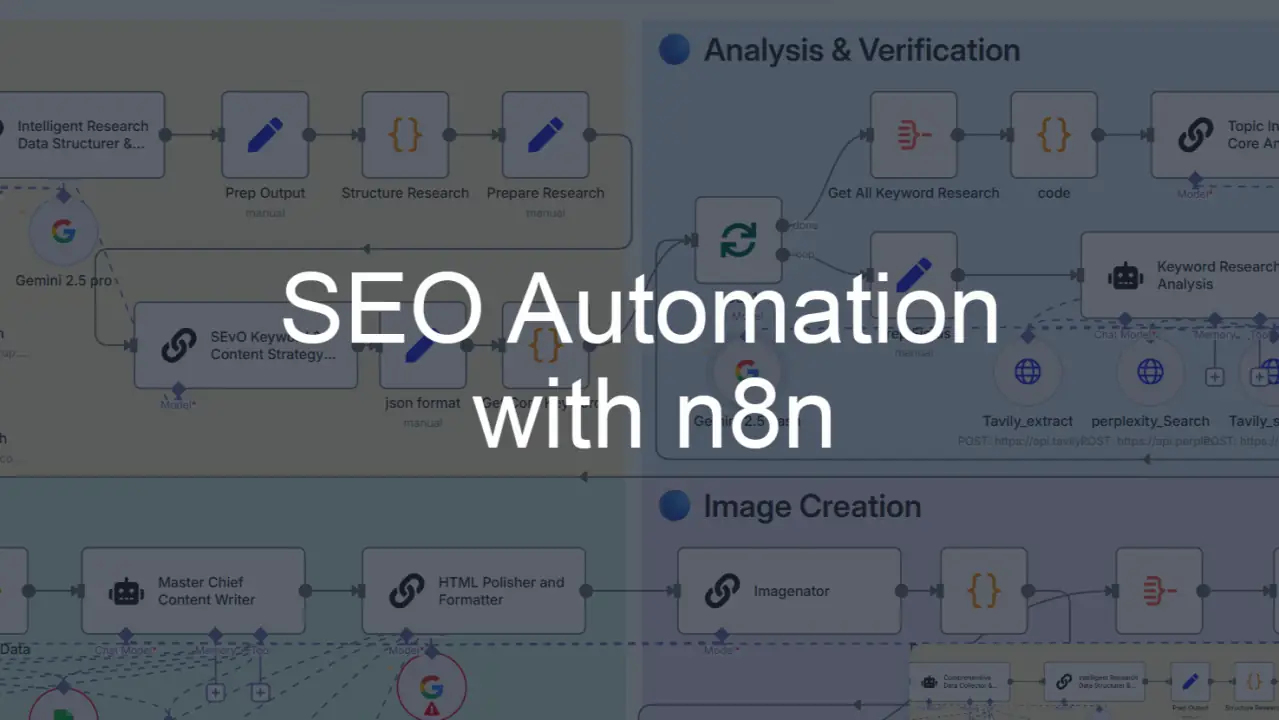
Search engine optimisation is one of the highest ROI marketing channels but it’s also one of the most time intensive. Keyword research, technical audits, content optimisation, reporting, and monitoring can consume dozens of hours every month. The good news? Many of these activities can now be automated safely allowing you to scale faster, reduce costs, and focus on strategy instead of repetitive work. This comprehensive guide explains how to automate SEO tasks effectively, what to automate, what not to automate, and how to avoid common pitfalls. What Does It Mean to Automate SEO Tasks? Automating SEO tasks means using software, AI tools, or scripts to perform repetitive optimisation activities such as data collection, analysis, reporting, and basic content improvements with minimal manual effort while maintaining human oversight. Who Should Automate SEO? Automation is ideal for: Small business owners managing marketing alone Agencies handling multiple clients E-commerce websites with large inventories Content publishers producing frequent articles Marketing teams aiming to scale efficiently If SEO work feels overwhelming or inconsistent, automation can dramatically improve productivity. How SEO Automation Works Most tools follow a similar process: Gather large amounts of search and website data Analyse patterns using algorithms or AI Generate insights or recommendations Apply changes automatically or semi-automatically Track results continuously Human review ensures outputs align with brand goals and search intent. Why Automating SEO Tasks Matters Automation is not just about saving time it enables growth that would otherwise be impossible. Key benefits include: Faster execution of campaigns Reduced manual workload Improved consistency across pages Real time performance tracking Lower long-term costs Ability to scale content and optimisation Businesses that automate strategically can compete with much larger organisations. Best SEO Tasks to Automate (High Impact Areas) Not everything should be automated. Focus on tasks that are repetitive, data heavy, and rule-based. 1. Keyword Research & Topic Clustering Automation tools can quickly: Generate thousands of keyword ideas Identify search intent Group related terms into topic clusters Discover long-tail opportunities Analyse competition This turns days of work into minutes and helps build strong topical authority. 2. Rank Tracking & Competitor Monitoring Instead of checking rankings manually, automated tools can: Track positions daily Monitor competitors Alert you to sudden drops Identify new ranking opportunities Continuous monitoring enables faster responses to algorithm changes. 3. Technical SEO Audits Large websites often contain hidden issues that harm rankings. Automated crawlers can detect: Broken links Duplicate content Missing metadata Redirect problems Indexing errors Slow pages Manual audits simply cannot scale to thousands of URLs. 4. Meta Titles, Descriptions & Image Alt Text Generating metadata for large sites is extremely time-consuming. Automation can produce: SEO friendly page titles Meta descriptions Image alt text Structured naming conventions Important pages should still be reviewed to maximise click-through rates. 5. Content Optimisation & Assistance AI tools can support not replace content creation by helping with: Topic ideas Article outlines Semantic keyword suggestions Readability improvements Content gap analysis Human expertise is still essential for originality and trustworthiness. 6. SEO Reporting & Analytics Reporting is one of the easiest wins for automation. Dashboards can automatically: Combine data from multiple platforms Track KPIs in real time Generate scheduled reports Visualise trends Highlight anomalies This frees teams from hours of manual spreadsheet work. SEO Tasks You Should NOT Fully Automate Automation has limits. Some activities require human judgement and experience. Strategy & Planning Understanding your market, audience, and positioning cannot be automated effectively. High Quality Content Creation Search engines reward expertise and authentic insights. Fully automated content often lacks depth, originality, and credibility. Link Building & Outreach Successful link acquisition relies on relationships, relevance, and negotiation not mass automation. Brand Messaging & UX Decisions Automation cannot understand emotional triggers, tone, or user psychology the way humans can. Step-by-Step Guide: How to Start Automating SEO Tasks Step 1 Audit Your Current Workflow Identify tasks consuming the most time with the lowest strategic value. Step 2 Prioritise High ROI Automation Focus on activities that directly affect rankings or scalability. Step 3 Choose Reliable Tools Look for platforms with: Accurate data sources Integrations with your systems Customisation options Good support and documentation Step 4 Implement Gradually Start with one or two processes before expanding. Step 5 Maintain Human Oversight Review outputs regularly to ensure quality and accuracy. Automation should assist experts not replace them. Common Mistakes to Avoid Many businesses fail because they automate incorrectly. Avoid these pitfalls: Publishing unedited AI content Ignoring search intent Over optimising keywords Automating everything at once Neglecting quality checks Choosing tools based only on price Poor implementation can damage rankings rather than improve them. Is SEO Automation Worth It? For most organisations, absolutely. Automation delivers the greatest value when it: 1) Saves time on repetitive work 2) Improves accuracy and consistency 3) Enables scaling of successful strategies 4) Supports data driven decisions However, it works best as part of a hybrid approach combining technology and human expertise. Pros and Cons of Automating SEO Tasks Advantages Significant time savings Lower operational costs Scalable optimisation Consistent execution Faster insights from data Limitations Requires monitoring Risk of generic outputs Tool subscriptions can add up Not suitable for creative tasks Over automation may reduce quality Understanding these trade offs helps you use automation wisely. Future of SEO Automation Automation is evolving rapidly as search engines become more AI-driven. Emerging trends include: Predictive SEO insights Real time content recommendations Voice search optimisation tools Automated user intent analysis Integration with broader marketing systems Businesses adopting these technologies early will gain a significant competitive advantage. Frequently Asked Questions (FAQs) Q1. How much does SEO automation cost? A. Costs range from free tools to enterprise platforms costing hundreds per month. Many businesses start with mid-tier solutions offering strong functionality without excessive expense. Q2. Can SEO be fully automated? A. No. While many repetitive tasks can be automated, strategy, creativity, and decision making still require human expertise. Q3. How long before automation improves rankings? A. SEO results typically take 3 to 6 months, depending on competition, site authority, and implementation quality. … Read more


