Fiesta Digital Solutions

SEO Strategist Role, Skills, and Why Businesses Need one in 2026
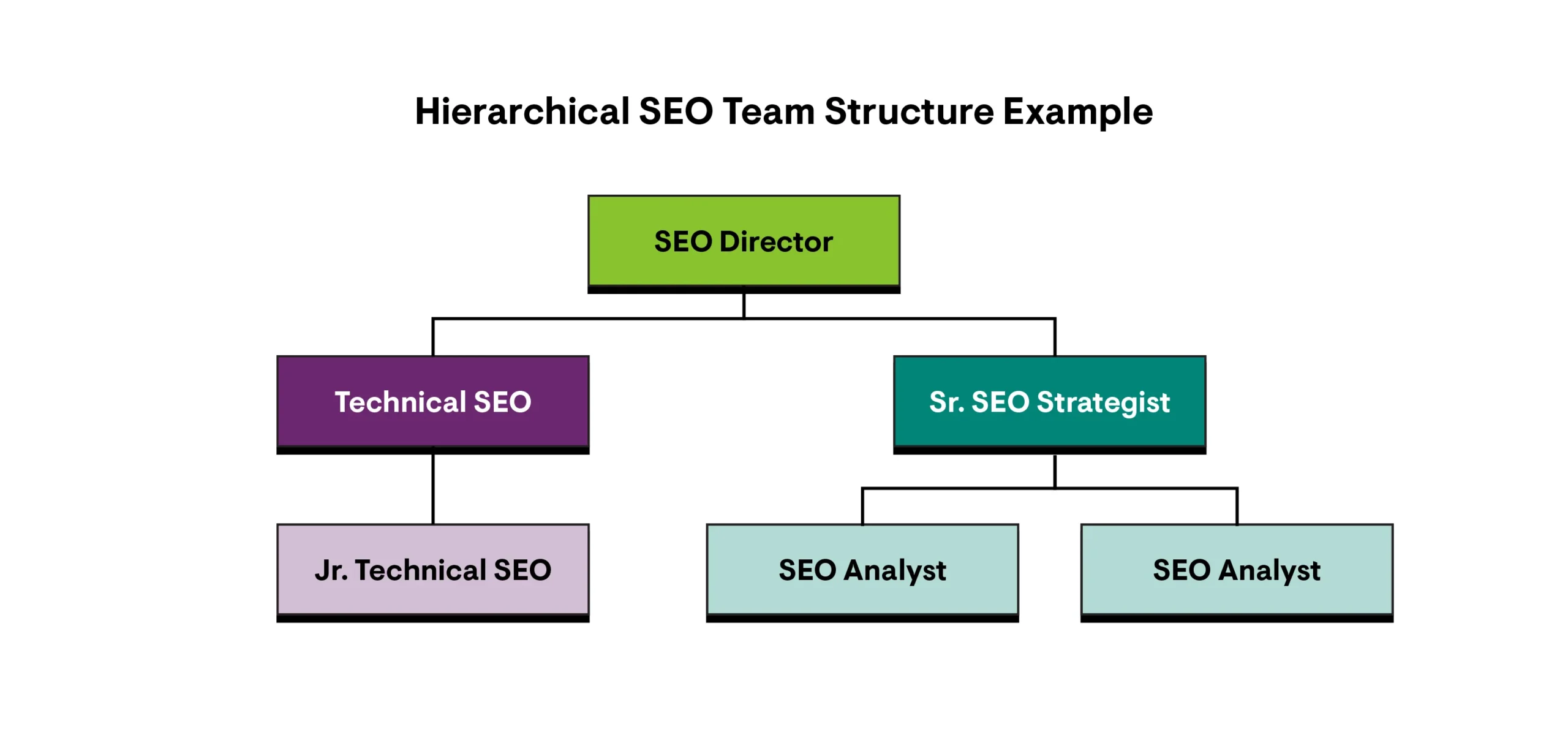
seo strategist​ in uk

What Is an SEO Strategist? An SEO strategist is a digital marketing professional who plans, directs, and optimises a website’s search visibility using data, content strategy, technical improvements, and authority building to achieve sustainable organic growth. Unlike tactical SEO specialists, strategists focus on the big picture aligning search performance with business goals. Who Should Consider Hiring an SEO Strategist? Businesses that rely on online visibility for leads, sales, or brand growth benefit most from an SEO strategist, especially in competitive industries or scaling stages. This includes: Small and medium businesses Startups entering crowded markets eCommerce brands Service providers B2B companies Organisations undergoing digital transformation If customers search before buying, strategy matters. How Does an SEO Strategist Work? An SEO strategist analyses market demand, competitors, and website performance to create a structured plan that improves rankings, traffic quality, and conversions over time. Typical workflow: Audit current performance Identify opportunities Develop strategy Coordinate implementation Measure and refine Why an SEO Strategist Matters More Than Ever Search engines have evolved from keyword matchers to intent interpreters. AI, privacy changes, and user behaviour shifts have made tactical SEO alone insufficient. Strategists bridge the gap between: Data and decision-making Traffic and revenue Content and customer needs Algorithms and human intent Businesses without strategic direction often waste resources on disconnected tactics. Core Responsibilities of an SEO Strategist 1. Market & Competitor Analysis Understanding the search landscape is foundational. Key tasks include: Identifying high-value keywords Analysing competitor strengths and weaknesses Mapping search intent across the customer journey Finding content gaps Estimating traffic potential 2. Technical SEO Planning Strategists ensure the website infrastructure supports rankings. Focus areas: Site architecture Page speed optimisation Mobile usability Indexing issues Core Web Vitals Structured data opportunities Technical barriers can suppress even excellent content. 3. Content Strategy Development Content is the primary driver of organic visibility. A strategist defines: Topic clusters Editorial priorities Search intent alignment Internal linking frameworks Conversion pathways The goal is authority, not just traffic volume. 4. Link Building & Authority Growth Backlinks remain a major ranking factor. Strategic approach includes: Digital PR initiatives Partnership outreach High-quality guest publishing Brand mentions Resource link acquisition Ethical methods protect long term rankings. 5. Data Analysis & Performance Tracking Strategy without measurement is speculation. Key metrics monitored: Organic traffic quality Keyword visibility Conversion rates Engagement signals Revenue attribution Modern strategists also analyse behavioural data to understand user intent. From Keywords to Intent: The Modern Strategic Shift Traditional SEO focused on what users typed. Modern SEO focuses on why they search. Strategists now integrate multiple data sources: Search analytics Website behaviour Customer feedback Surveys and reviews CRM insights This holistic view enables content that truly resonates. Skills Every Top SEO Strategist Needs Analytical Thinking Ability to interpret complex datasets and extract actionable insights. Technical Knowledge Understanding how websites and search engines function. Content Expertise Knowing how to craft material that satisfies both users and algorithms. Business Acumen Aligning SEO with revenue goals, not vanity metrics. Adaptability Search algorithms and technologies change constantly. Tools Commonly Used by SEO Strategists Professional strategists rely on specialised tools for research and monitoring. Typical toolkit includes: Keyword research platforms Technical audit tools Analytics software Rank tracking systems Backlink analysis tools User behaviour tracking The toolset supports decisions it does not replace strategy. Benefits of Hiring an SEO Strategist Sustainable Traffic Growth Organic visibility compounds over time. Higher Quality Leads Intent aligned content attracts users ready to act. Reduced Advertising Dependence Strong rankings decrease reliance on paid campaigns. Competitive Advantage Outperform rivals who rely on outdated tactics. Long Term ROI SEO investments often deliver value for years. Is Hiring an SEO Strategist Worth It? For most businesses, yes. SEO strategy affects discoverability, credibility, and customer acquisition. Without expert guidance, companies risk investing in ineffective activities or falling behind competitors. How to Choose the Right SEO Strategist Look for: Proven results and case studies Clear methodology Transparent reporting Ethical practices Industry understanding Communication skills Avoid anyone promising instant rankings or guaranteed positions. Cost of an SEO Strategist Pricing varies depending on experience and scope. Typical ranges: Freelance strategist: £50 to £150 per hour Monthly consulting: £1,000 to £5,000+ Enterprise strategy retainers: significantly higher Investment should correlate with expected impact. Common Mistakes Businesses Make Without Strategy Publishing content without keyword research Ignoring technical issues Chasing traffic instead of conversions Copying competitors blindly Over-relying on paid ads Failing to track meaningful metrics These mistakes waste time and budget. The Future of SEO Strategy Key trends shaping the role: AI driven search experiences Voice and conversational queries Privacy focused data collection Entity based ranking systems User experience as a ranking factor Brand authority signals Strategists will increasingly act as growth architects rather than channel specialists. FAQ  Q1. How long does SEO strategy take to show results? A. Most strategies begin producing measurable improvements within 3 to 6 months, with significant growth typically occurring after 6 to 12 months. Q2. Can a single strategist handle all SEO tasks? A. Some can, but larger projects often require a team for technical work, content production, and outreach. Q3. Is SEO still effective in the age of AI? A. Yes. AI has increased competition, making strategic planning even more critical for visibility. Q4. Do small businesses need an SEO strategist? A. Absolutely. Smaller companies often benefit the most because strategic SEO levels the playing field against larger competitors. Q5. What’s the difference between an SEO strategist and an SEO specialist? A. A strategist focuses on planning and direction, while specialists execute specific tasks like technical fixes or content optimisation. Final Thoughts An SEO strategist does far more than improve rankings. They connect business objectives with search demand, customer intent, and digital visibility. In an environment where attention is scarce and competition is intense, strategic direction determines whether SEO becomes a growth engine or a sunk cost. For organisations serious about long-term success online, investing in expert strategy is one of the smartest decisions they can make.  

Recent Google Updates & Their Impact on Rankings

Recent Google Updates & Their Impact on Rankings

Google’s search updates are no longer quiet background changes, they directly shape how people discover businesses, content, and services every day. These updates focus less on tricks and more on genuine usefulness, clarity, and trust. To strengthen EEAT signals and trustworthiness in content, reference E-E-A-T for Doctor SEO. If your rankings feel unstable or your traffic has plateaued, understanding what Google now rewards is no longer optional, it’s essential. How Google’s Update Philosophy Has Changed Google’s recent updates reflect a clear shift: search is no longer just about links and keywords, but about answers, experience, and intent. Instead of targeting single tactics, updates now: Evaluate overall site quality Analyse real user engagement Reward expertise and topical authority Prioritise content that works well across AI, voice, and local search This makes SEO more strategic, and more human, than ever. The Rise of AI-Driven Ranking Systems How AI Is Shaping Google’s Core Algorithms Google now uses advanced AI systems to: Understand context, not just words Interpret conversational queries Detect content depth and completeness This means thin, surface-level pages struggle to compete, even if they’re well-optimised technically. What This Means for Website Owners AI-driven ranking systems reward: Clear explanations Logical structure Natural language Real-world relevance Pages that “feel helpful” to humans now perform better across search. Content Quality Is No Longer Optional Helpful Content Signals Are Stronger Than Ever Google’s recent updates double down on helpful content signals, including: Original insight Demonstrated expertise Clear purpose User satisfaction Content written only to rank, without serving users, loses visibility quickly. How Google Measures Usefulness Google evaluates: Whether the page answers the query fully How long users stay and engage If users return to search immediately Whether content aligns with intent AI-written or human-written doesn’t matter, value does. EEAT Has Become a Ranking Foundation Why Experience Now Matters More Than Ever Experience is the strongest part of EEAT. Google looks for signs that content is created by someone who: Has first-hand knowledge Understands the topic deeply Provides realistic examples This affects rankings in health, finance, education, SaaS, and local services most .For improving internal linking and site structure to support topical authority, use Local Schema Markup, which explains structured data benefits for search engines. How to Strengthen EEAT Signals Strong EEAT content: Explains “why,” not just “what” Uses practical insights Avoids vague claims Shows consistency across the site Author credibility, site reputation, and content accuracy now work together. Search Intent Matching Is a Major Ranking Factor Intent Misalignment Is a Silent Ranking Killer Many sites lose rankings not because content is bad, but because it answers the wrong version of the query. Google now distinguishes: Informational intent Commercial intent Navigational intent Local intent If your page misses the dominant intent, rankings drop regardless of optimisation. How to Align With Intent High-ranking pages: Address the primary question early Support secondary intent naturally Avoid over-selling in informational content Provide clear next steps Intent clarity is one of the fastest ranking improvements you can make. Core Web Vitals Still Matter, But Differently Performance Is a Trust Signal, Not a Hack Google’s recent updates treat performance as a baseline expectation, not a competitive edge. Slow, unstable, or inaccessible sites: Lose user trust Increase bounce rates Signal poor experience This indirectly affects rankings through engagement signals. What Google Actually Cares About Now Instead of chasing scores, focus on: Fast content loading Mobile responsiveness Clear navigation Stable layouts Usability is now inseparable from SEO. For guidance on keeping content fresh and relevant for AI-driven search, reference Update Old Content With AI. Voice Search and Conversational Queries Are Growing Why Google Optimises for Spoken Search More searches now come from: Mobile voice assistants In-car systems Smart devices AI-powered interfaces Google updates increasingly reward content that sounds natural when spoken aloud. How to Optimise for Voice Search Voice-friendly pages: Use simple language Answer questions directly Include short, clear responses Reflect conversational phrasing This also improves featured snippet visibility. Local SEO Signals Are Stronger Google Prioritises Real-World Relevance Recent updates emphasise: Proximity Local trust Community relevance Especially for services near landmarks, city centres, or neighbourhoods. GEO Signals That Matter Now Google looks for: Location-specific phrasing Service-area clarity Locally relevant examples Consistent business details Local intent content now outperforms generic pages. AI Search Results Are Influencing Traditional Rankings How AI Overviews Affect Click Behaviour AI-powered summaries reduce clicks to low-value pages while boosting: Clear explanations Authoritative sources Well-structured content Pages cited by AI gain trust and visibility. How to Become an AI-Cited Source Google prefers content that: Defines concepts clearly Explains processes step by step Avoids promotional language Maintains neutral authority This benefits long-term rankings. Thin Content Is Being Quietly Devalued Why Some Pages “Disappear” Without Warnings Google no longer penalises aggressively, it deprioritises silently. Thin pages often: Lose impressions gradually Stop ranking for secondary keywords Never recover without improvement This affects blogs, service pages, and FAQs alike. How to Fix Thin Content Strengthen pages by: Expanding explanations Adding examples Clarifying intent Removing redundancy Quality refreshes outperform new content creation. Internal Linking Plays a Bigger Role in Topical Authority How Google Understands Content Relationships Recent updates reward: Logical internal linking Clear topic clusters Contextual anchor text This helps Google map expertise across your site. Internal Linking Best Practices Strong internal structures: Guide users naturally Reinforce topical depth Improve crawl efficiency It’s no longer about quantity, relevance wins. User Engagement Signals Are More Influential What Google Observes After the Click Google monitors: Scroll depth Time on page Interaction patterns Return-to-search behaviour Engagement reflects satisfaction, which feeds ranking systems. How to Improve Engagement Naturally High-engagement pages: Answer quickly, then expand Use clean formatting Avoid overwhelming walls of text Guide readers smoothly Better engagement supports ranking stability. For understanding how AI search is influencing rankings and citations, link to How AI Search Engines Choose Content. Content Freshness Is Contextual, Not Constant Not Every Page Needs Frequent Updates Google evaluates freshness based on topic type: News → frequent updates Evergreen guides → periodic reviews Local services → timely relevance … Read more

Google Ads vs SEO: Which Boosts Business Growth?

Google Ads vs SEO

Choosing between google ads vs SEO isn’t about which channel is “better.” It’s about understanding how each one serves your business goals, budget, and growth timeline, and knowing when to use one, the other, or both together. Budget expectations often influence whether businesses lean toward ads or organic growth, which is why understanding SEO UK cost structures and pricing factors helps frame realistic investment decisions. Understanding Ads vs SEO at a Strategic Level At the highest level, ads vs SEO represents a contrast between renting attention and building equity. Paid ads buy visibility. SEO earns it. Both appear on the same search results page, but they function very differently beneath the surface. Understanding this distinction is critical before investing serious marketing budget. What Are Paid Ads and How Do They Work? Paid advertising, commonly referred to as PPC or paid search, allows businesses to appear at the top of search engine results by bidding on keywords. You pay when someone clicks your ad. The moment you stop paying, the visibility disappears. Core Characteristics of Paid Ads Immediate exposure Keyword-level control Budget-driven performance Auction-based pricing Highly measurable results Paid ads excel at demand capture, targeting users who already know what they want and are close to making a decision. What Is SEO and Why Is It Different? Search engine optimization focuses on earning organic visibility by aligning your website with how search engines evaluate relevance, authority, and user experience. SEO is not a switch you turn on, it’s a system you build. Core Characteristics of SEO Long-term traffic growth Compounding returns Trust and credibility Content-driven visibility Algorithm-dependent performance SEO supports demand creation, education, and brand authority across every stage of the buyer journey. Ads vs SEO: Speed Versus Sustainability One of the clearest differences between SEO and paid ads is timing. Paid Ads: Fast but Finite Traffic starts immediately Results stop instantly when spend stops Costs rise as competition increases SEO: Slow but Compounding Requires patience upfront Traffic grows steadily over time Continues delivering value long after content is published If speed is your only metric, ads win. If longevity matters, SEO dominates. Organic performance increasingly depends on credibility signals, making trust, expertise, and accuracy in SEO essential for sustaining rankings and user confidence. Cost Comparison: Paid Search vs Organic SEO The cost discussion around ads vs SEO often misses the bigger picture. Paid Ads Costs Pay per click, regardless of conversion Competitive industries drive CPC inflation Requires constant budget allocation SEO Costs Investment in content, technical optimization, and authority No cost per click Returns improve as assets mature Paid search costs scale linearly. SEO costs scale exponentially in value. Control vs Compounding Effect Paid Ads Offer Control You choose keywords You control messaging You can pause or scale instantly SEO Offers Momentum Rankings build authority over time Content attracts passive traffic Brand recognition strengthens organically Ads give precision. SEO builds resilience. Conversion Behavior: SEO vs Paid Ads User psychology differs significantly between paid and organic results. Paid ads often attract high-intent, bottom-of-funnel users Organic results capture research-driven, trust-focused users Organic SEO traffic often converts better over time because: Users trust organic listings more Content answers questions before selling Brand familiarity builds naturally When Paid Ads Make More Sense Paid advertising is often the better choice when: You need immediate leads or sales You’re launching a new product or offer You want to test keyword viability You’re operating in seasonal or time-sensitive markets You need predictable short-term volume Paid ads shine in execution speed, not longevity. Conversion behaviour differs between paid and organic traffic, and improving content readability for SEO plays a major role in keeping organic users engaged throughout the funnel. When SEO Is the Better Investment SEO is ideal when: You want sustainable growth You aim to reduce long-term acquisition costs You rely on inbound leads You sell high-consideration products or services You want to build category authority SEO rewards patience with stability. SEO vs PPC for Different Business Stages Startups Use ads to validate demand Begin SEO foundations early Growing Businesses Combine paid search with SEO expansion Reduce dependency on paid traffic over time Established Brands SEO becomes the growth engine Ads support campaigns and competitive gaps There is no universal answer, only contextual strategy. How SEO and Paid Ads Work Better Together The real advantage isn’t choosing SEO or ads, it’s aligning them. Smart Integration Strategies Use ads to test keywords before SEO investment Use SEO data to lower paid acquisition costs Dominate SERPs with both paid and organic listings Retarget organic visitors with paid campaigns Together, they create coverage across the entire funnel. Common Mistakes Businesses Make Expecting SEO results in weeks Relying entirely on paid ads long-term Treating channels in isolation Measuring ROI without time horizon context Ignoring landing page experience Success comes from strategy, not tactics. Measuring Success: What Really Matters Instead of asking “Which is better?”, ask: How quickly do I need results? What is my acceptable CAC? Do I want growth or stability? How long do I plan to compete in this space? The answers guide the channel, not trends. Final Verdict: Google Ads vs SEO Paid ads deliver speed. SEO delivers scale. Businesses that rely on only one limit their potential. Sustainable growth comes from knowing when to invest, when to pivot, and how to compound results over time. As search landscapes evolve, businesses comparing ads and SEO should also consider SEO predictions and trends that influence how visibility, authority, and intent are rewarded. FAQs Q1. Is SEO better than Google Ads? A. SEO is better for long-term growth and cost efficiency, while Google Ads are better for immediate visibility and short-term results. Q2. Should small businesses use SEO or paid ads? A. Small businesses often benefit from starting SEO early while using ads selectively for quick wins or testing. Q3. Do paid ads help with SEO rankings? A. Paid ads don’t directly affect SEO rankings, but they provide valuable data that can inform SEO strategy. Q4. Which has a … Read more